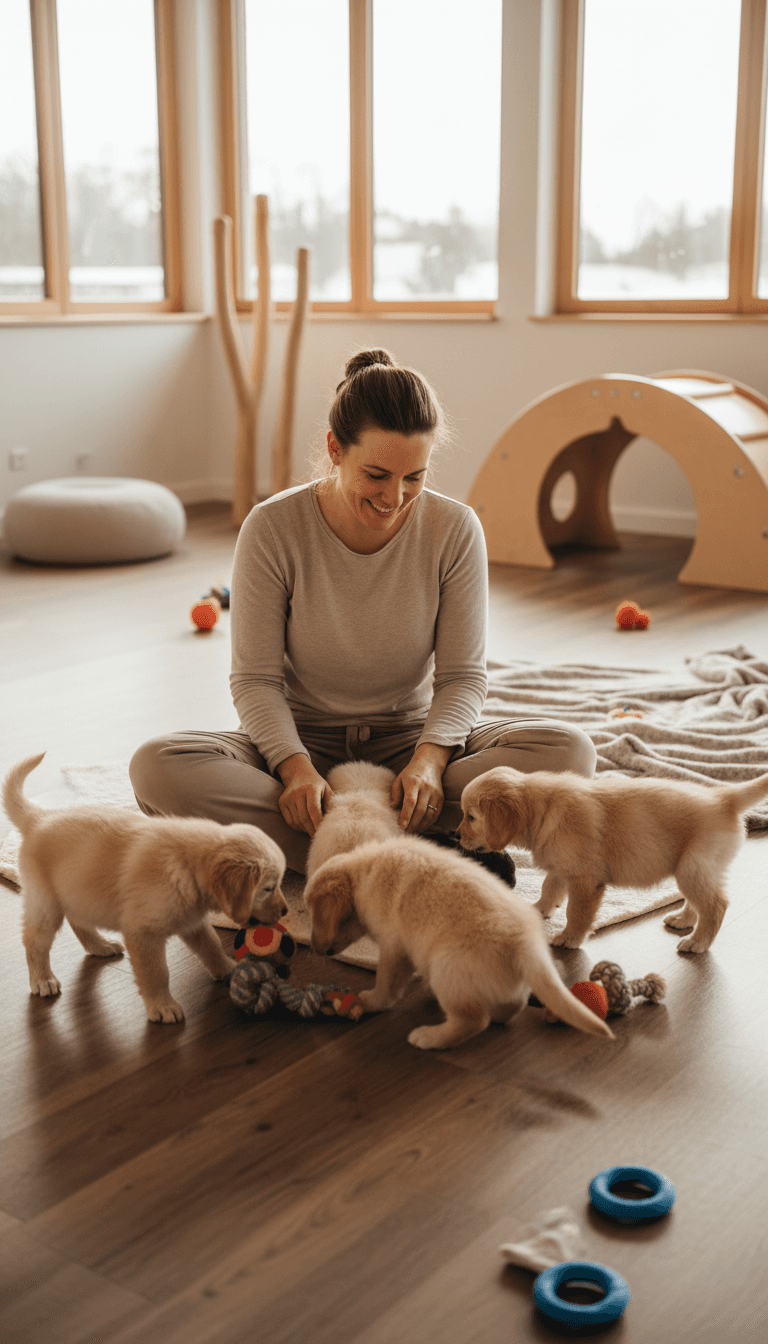
To clarify, puppy socialisation is not just play what it really means is the intentional process of building a dog's confidence through positive exposure to new environments, sounds, and people. This critical developmental phase focuses on creating calm associations so that puppies grow into well adjusted adults who feel safe and secure in the human world.
You finally brought your new puppy home to the Sunshine Coast, but every walk feels like a chaotic battle for their attention. Many owners mistakenly believe that socialisation means letting their puppy greet every stranger and play with every dog at the beach. Unfortunately, this approach often creates a frantic adult dog that cannot settle when distractions are present. Real socialisation is actually the art of teaching your puppy to remain calm and neutral in various environments; it is about building a foundation of confidence rather than a habit of overstimulation. In this guide, we explore why true socialisation is distinct from simple play. We will discuss the critical development window, the importance of the 7-7-7 rule, and how to cultivate a dog that can ignore the world and focus on you.
The Common Misconception: Why Socialisation is More Than Just Puppy Play
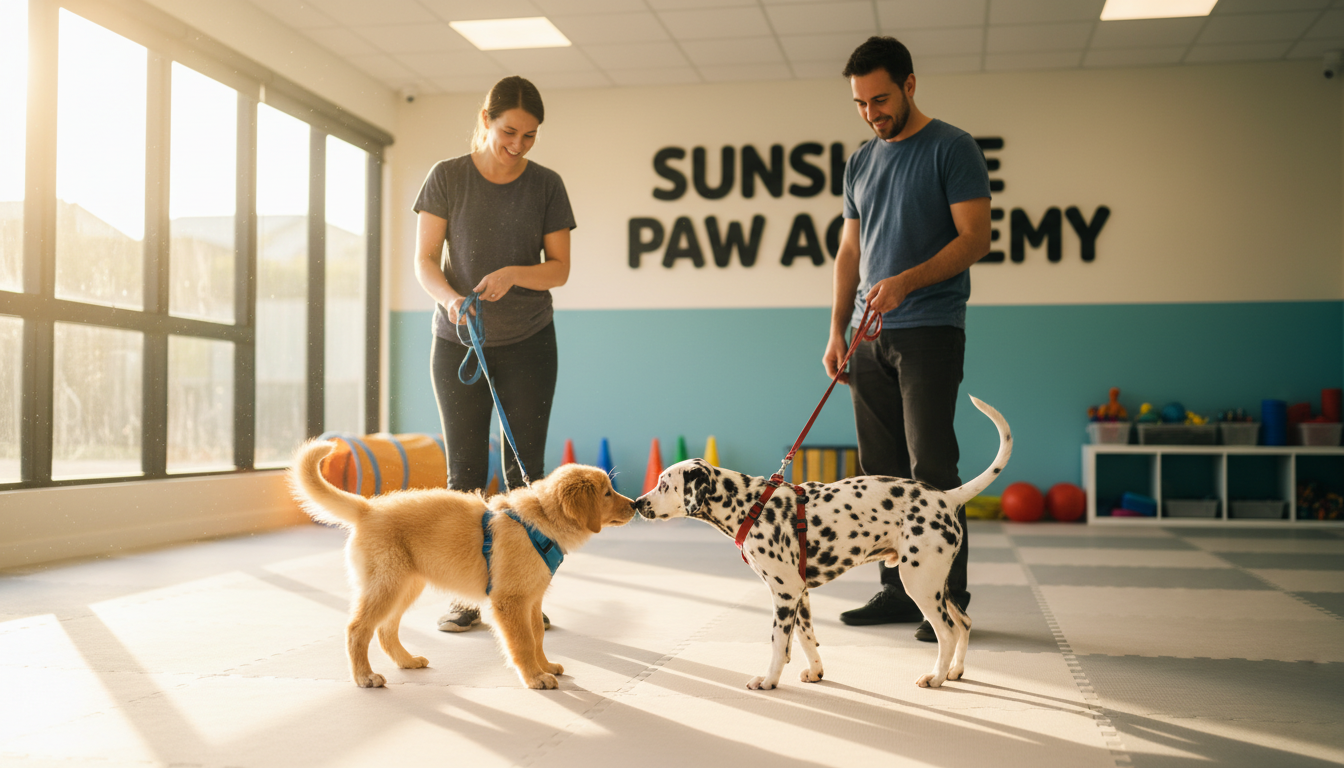
Many new owners arrive at our training locations believing that a successful outing involves their puppy wrestling with every dog they encounter. While play has its place, this is the most common misunderstanding in early development. Understanding that puppy socialisation is not just play what it really means for your dog's future behavior is the first step toward raising a balanced adult. When we overemphasise constant interaction, we inadvertently teach our puppies that every dog is a playmate. This often creates frustrated greeters; these are dogs that bark, lunge, or whine when they are restricted by a leash because they have never learned how to simply exist near another animal without physical contact.
At its core, socialisation is the intentional process of creating positive or neutral associations with the world. It is about building a bank of experiences where the puppy feels safe and remains calm. In the context of our unique Sunshine Coast lifestyle, a truly well-socialised dog is one that can settle quietly under a table at a busy Mooloolaba cafe while various distractions pass by. The goal is a dog that can observe a passing poodle, a rolling skateboard, or a surfboard being carried to the beach without feeling the need to react or intervene.
By focusing on neutrality rather than high arousal play, we set the foundation for a dog that looks to you for guidance rather than being overwhelmed by the environment. This controlled approach is a hallmark of small puppy school classes in the Sunshine Coast, where we prioritise focus and composure over a chaotic puppy free-for-all. This distinction is often the primary puppy school vs puppy preschool factor that determines whether a dog grows up to be a relaxed companion or a reactive one.
Socialisation vs Exposure: Understanding the Difference
To understand why puppy socialisation is not just play what it really means for your dog's future, you must distinguish between exposure and true socialisation. Exposure is simply being near a stimulus; socialisation is the intentional act of ensuring that exposure results in a positive or neutral emotional response. In technical terms, this is known as respondent conditioning. Put simply, it is the process of pairing a new experience with something the puppy already loves, such as a high value treat or gentle praise, until the puppy learns that the 'new thing' equals 'good things.'
Problems arise when owners mistake presence for progress. Taking a young puppy to a crowded location like the Caloundra Street Fair before they have the foundational confidence to cope is a process called flooding. Flooding occurs when a puppy is overwhelmed by stimuli they cannot escape. Instead of becoming comfortable, the puppy may become traumatised or sensitised, leading to long term fear or anxiety. High traffic environments are excellent for older, confident dogs, but they can be detrimental to a puppy who has not yet learned to process the world in smaller, manageable bites.
Successful socialisation always happens at the pace of the puppy. You must become a student of your dog's body language to ensure they are actually enjoying the experience. Subtle stress signals often go unnoticed by the untrained eye; look for frequent lip licking, yawning when not tired, or looking away from a stimulus. If your puppy refuses a treat they usually love or tries to tuck their tail, they are telling you the environment is too much. In our classes, we prioritise these quiet observations, teaching you how to move your puppy further away from a distraction to find the distance where they can remain calm and observant rather than fearful.
The Goal of Neutrality: Why the Best Socialised Dogs Ignore the World

Transitioning from observing your puppy’s comfort level brings us to the ultimate objective of early training: neutrality. While many owners strive for a puppy that loves everyone and everything, the professional "Holy Grail" is actually a dog that is indifferent to its surroundings. This concept of neutrality is where puppy socialisation is not just play what it really means to have a balanced companion becomes clear. A truly socialised puppy is one that can watch a cyclist speed past on a coastal path, observe a surfboard being carried toward the water, or see another dog across the street while remaining focused on you.
When a puppy learns that every encounter with a stranger or another animal results in high arousal interaction, they develop an expectation that they must greet everyone. As they grow stronger and are restricted by a leash, this expectation often turns into frustration. This is the primary root of leash reactivity; dogs bark or lunge not necessarily out of aggression, but out of a desperate, learned need to reach the stimulus. By teaching neutrality early, you ensure your dog views the world as background noise rather than a series of constant interruptions.
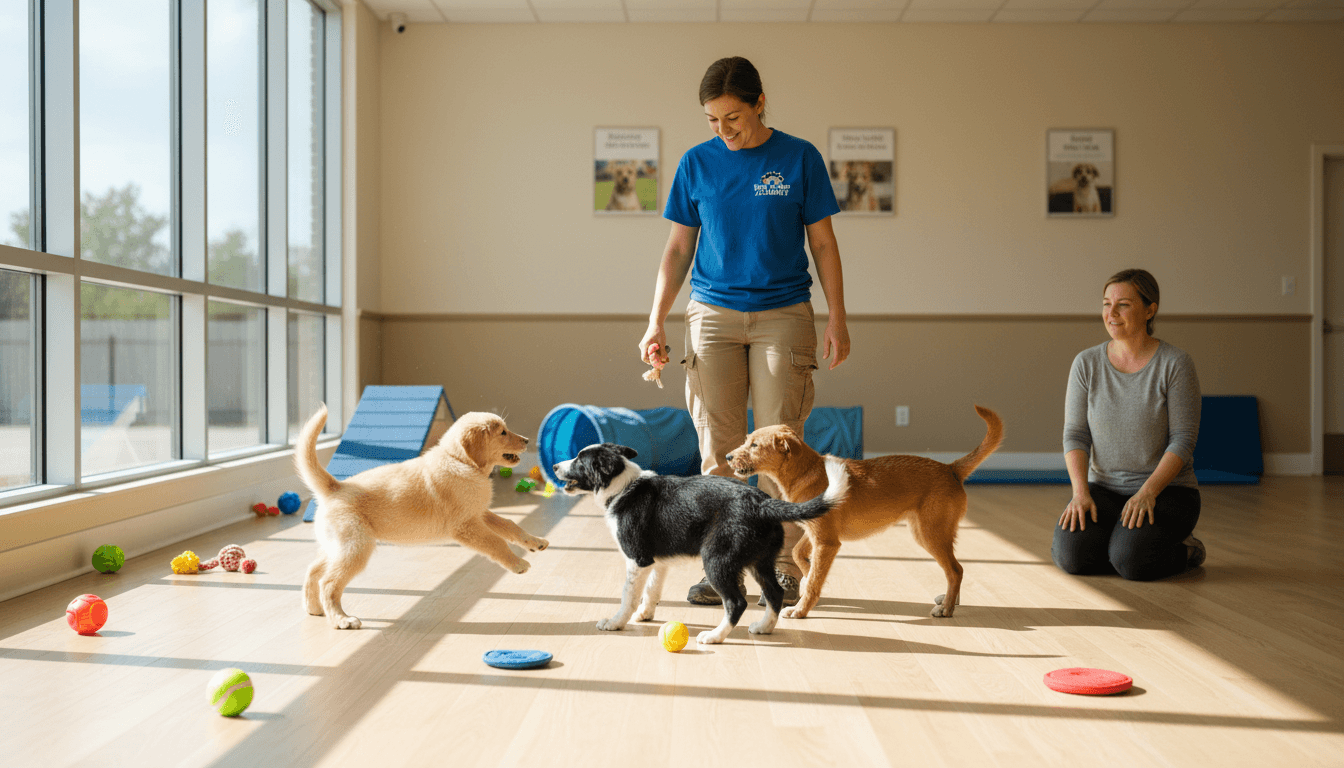
Our four week program is specifically designed to cultivate this calm focus. Rather than facilitating a puppy free-for-all where animals are left to bowl each other over in a state of over-excitement, we focus on structured exercises. These sessions reward your puppy for choosing to engage with you while distractions exist in the periphery. This foundation ensures that as your puppy matures, they remain a relaxed partner who can navigate the busy, outdoor lifestyle of the Sunshine Coast with ease.
The Critical Window: The 4 to 16 Week Timeline
Building a foundation of neutrality is most effective when aligned with a puppy’s natural development. The period between 4 and 16 weeks of age is a critical biological window where a puppy’s brain is uniquely receptive to new experiences. During this short phase, curiosity outweighs fear, allowing puppies to form lasting positive associations with the world around them. This window is evolutionarily brief; once it closes, the brain shifts toward a more cautious, fearful state as a survival mechanism. This is why Puppy School Sunshine Coast structures its curriculum into a concentrated four week program, ensuring we capture this peak learning state before the fear period begins to solidify.
Many owners face the dilemma of the vaccination versus socialisation debate. Waiting until a puppy is fully vaccinated at 16 weeks often means missing this vital developmental stage entirely, potentially leading to long term behavioural challenges. We address this by conducting classes in controlled, indoor environments like local community halls. These spaces are sanitised and restricted to age-appropriate puppies, providing a safe middle ground compared to high-traffic public parks. In these secure settings, we demonstrate that puppy socialisation is not just play what it really means is providing a safe gateway for your puppy to explore new stimuli without the health risks of uncontrolled outdoor environments.
The Puppy Socialisation Checklist: 5 Essential Categories
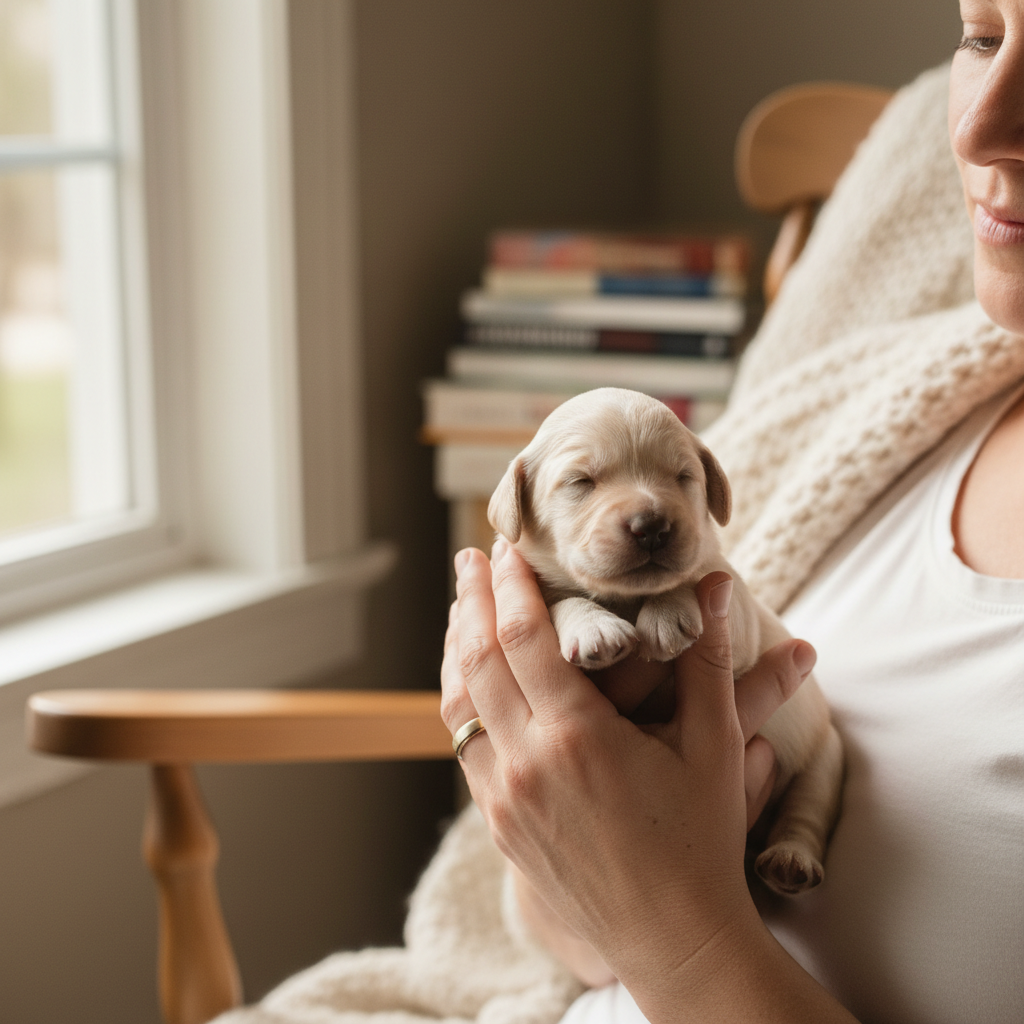
While our controlled indoor classes provide a safe starting point, the work continues at home. This structured homework is a key distinction when comparing puppy school vs puppy preschool programs, as we focus on real-world application. Understanding that puppy socialisation is not just play what it really means for your dog's confidence helps you see these five categories as essential building blocks for a resilient pet.
Surfaces: A puppy that only knows carpet and grass may freeze when they first encounter the varied textures of the Sunshine Coast. Focus on introducing sand (start with dry, then wet), slippery cafe tiles, timber decking, and the metal grates found near street drains. Each new texture builds proprioception and confidence, ensuring your dog can navigate any environment from a boardwalk to a shop floor.
Sounds: Auditory socialisation prepares your puppy for the local soundscape. Use high-value treats to create positive associations with the rhythmic rumble of waves at the beach, the high-pitched hum of a lawnmower on a Saturday morning, and the heavy traffic noise near main roads. Don't forget the sudden cracks of our summer thunderstorms; playing recordings at a very low volume during mealtime is an excellent way to desensitise them before the storm season arrives.
People: Meeting your immediate family is not enough. Your puppy needs to see a variety of human appearances to remain neutral in public. In our rapidly growing suburbs, people in hi-vis workwear are a common sight and can be intimidating to an unsocialised dog. Aim for exposure to people wearing hats, carrying umbrellas, or using mobility aids, alongside calm, supervised sightings of children.
Handling: You are your puppy's first teacher for veterinary and grooming care. Spend time gently touching their paws, looking inside their ears, and lifting their lips to see their teeth. This intentional handling reduces the stress of future clinical visits and ensures your dog remains cooperative when examined by a professional.
Novel Objects: To a puppy, a wheelie bin moving toward the curb can look like a looming threat. Introduce them to stationary objects that move or look unusual, such as bicycles, vacuum cleaners, and even surfboards leaning against a wall. By rewarding calm curiosity, you teach your dog that new objects are background noise rather than a reason for alarm.
What is the 7 7 7 Rule for Puppies?
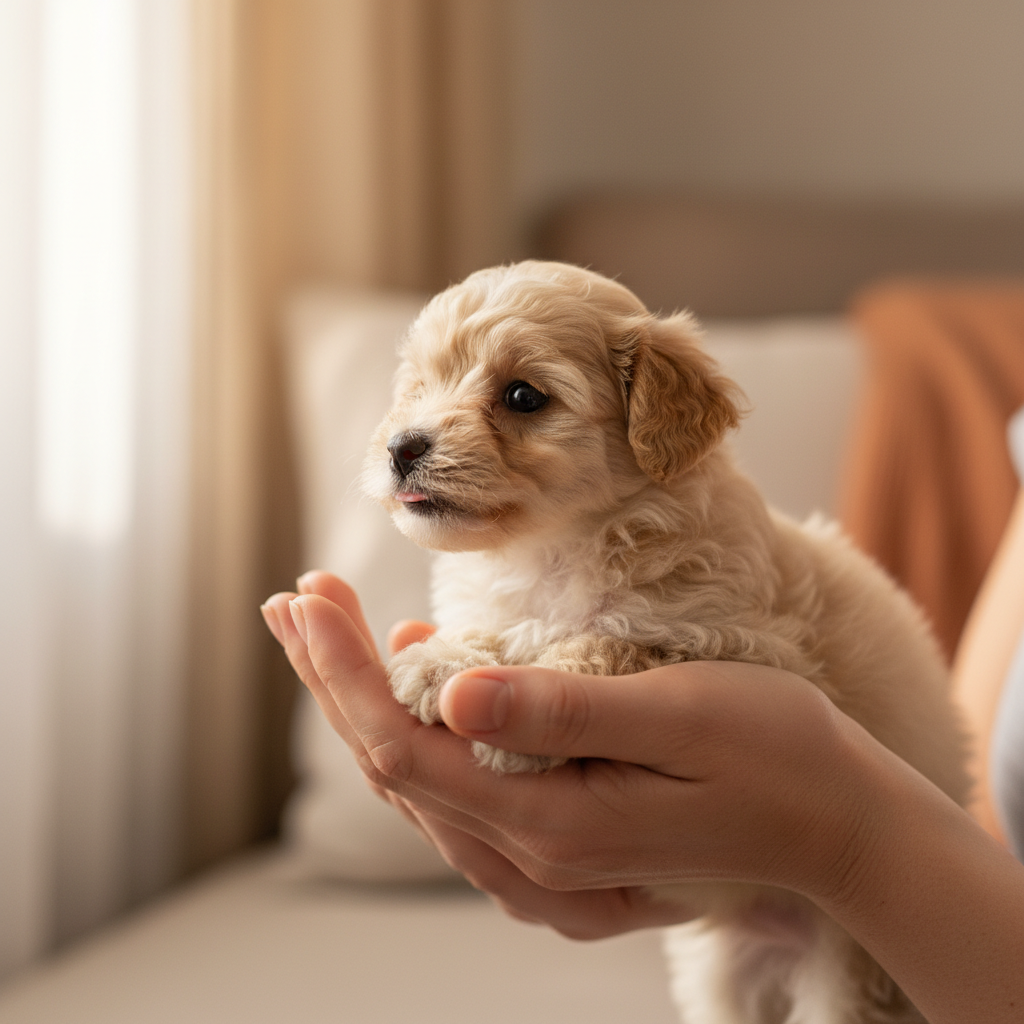
The Rule of 7 is a structured framework designed to ensure your puppy encounters a healthy variety of stimuli before their critical socialisation window narrows. Originally developed for breeders to implement by seven weeks of age, many owners now adapt this into a Rule of 12 to be completed by the time their puppy is three months old. This guideline suggests that your dog should have experienced at least seven different surfaces, played with seven different types of objects, and visited seven novel locations. This systematic approach reinforces the fact that puppy socialisation is not just play what it really means is intentional, varied exposure.
For a Sunshine Coast puppy, these seven locations might include a quiet stretch of beach at low tide to experience firm sand and salty air, or a hardware store car park in Maroochydore where they can observe trolleys and sliding doors from the safety of your car. Other local spots could include a boat ramp, a suburban cul-de-sac, or a shaded path near a local bowls club. By hitting these targets, you ensure your puppy views the world as a predictable and safe place.
What Happens if You Dont Socialise Your Puppy?
Neglecting these foundational experiences often leads to what trainers call "small world syndrome," where a dog only feels truly safe within the confines of their own home. When a puppy misses out on varied, positive exposure during their critical window, they are at a much higher risk of developing fear based aggression later in life. This behavior is rarely about dominance; it is a defensive reaction to a world they do not understand. A dog that has not learned neutrality may perceive a person opening an umbrella at a Noosa park or a cyclist passing by as a direct threat, leading to persistent barking or lunging to keep the perceived danger at bay.
Under socialisation also creates significant hurdles for essential husbandry and daily care. Routine vet exams and grooming sessions can become traumatic events if a puppy has not been desensitised to being touched on their paws, ears, and belly. Recognising that puppy socialisation is not just play what it really means for your dog's long term mental health helps highlight the urgency of this developmental period. It is far simpler to proactively build a bank of positive associations now than it is to attempt to rehabilitate a fearful, reactive adult dog in the future. Enrolling in small puppy school classes in the Sunshine Coast provides the supervised, expert guidance needed to avoid these common behavioral pitfalls before they take root.
Why Professional Puppy School Trumps the Dog Park
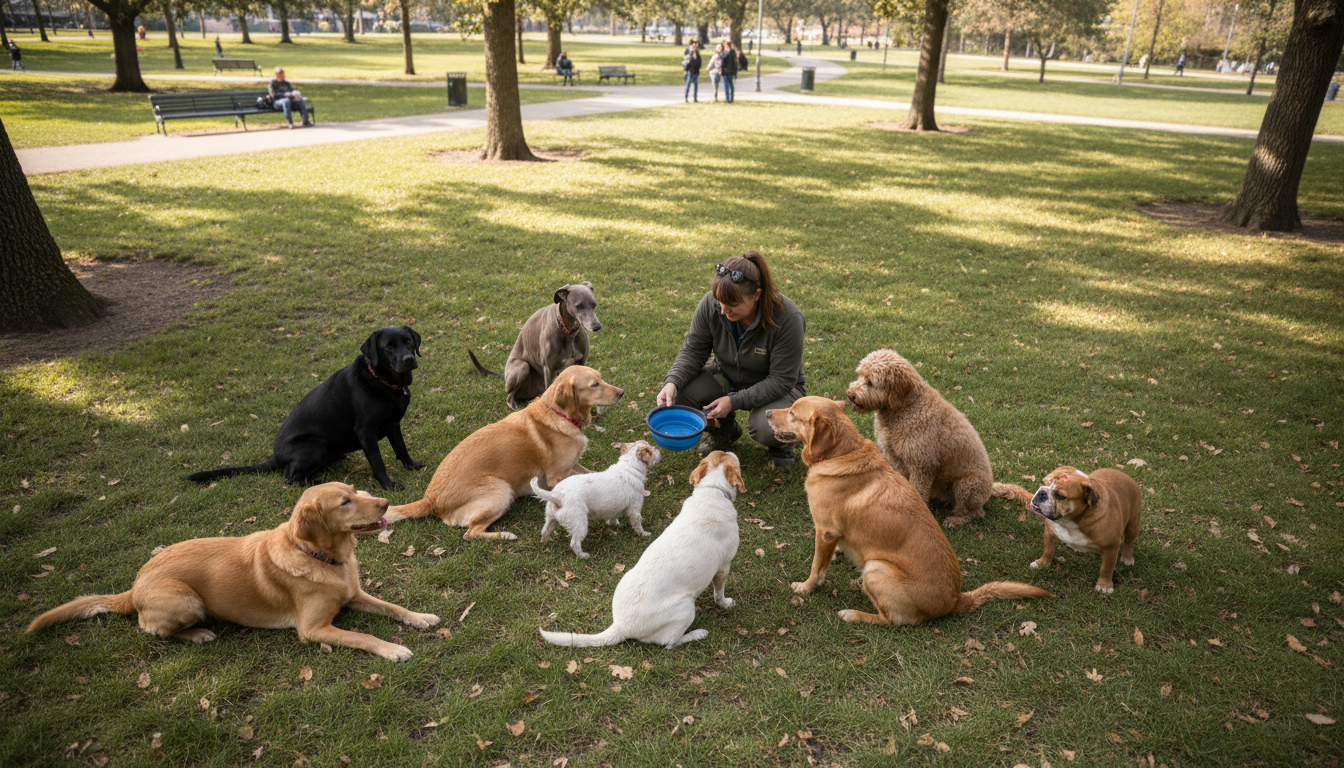
While the off-leash areas at Buderim or Coolum might seem like an easy way to meet the quota for dog-to-dog interaction, they are often the most high-risk environments for a developing brain. At a public dog park, you have no control over the health status of other animals, exposing your puppy to potential parvovirus or kennel cough before their immunity is fully established. Furthermore, adult dogs at parks often lack the patience or social grace required for a puppy, leading to overwhelming corrections or bullying that can cause lifelong fear.
In contrast, small puppy school classes in the Sunshine Coast offer a curated experience where every interaction is mediated by an expert. Our four-week program ensures that your puppy is only meeting age-appropriate peers in a sanitised, indoor space. This structured setting highlights that puppy socialisation is not just play what it really means is the quality of the encounter, not the quantity. By limiting class sizes, we can tailor the environment to your puppy’s specific confidence level, ensuring they leave every session feeling more resilient rather than defeated. This controlled approach is a primary reason to choose a professional puppy school vs puppy preschool model that prioritises development over chaotic free-play.