There is effectively no puppy school vs puppy preschool difference Australia pet owners need to distinguish, as both terms generally describe early socialization and foundational training programs for puppies aged 8 to 16 weeks. While puppy preschool is often hosted within veterinary clinics to focus on social skills, puppy school can also refer to basic obedience classes provided by professional trainers.
Bringing a new puppy home is an exhausting whirlwind of joy and confusion, particularly when you begin navigating the saturated market of early education. Many owners find themselves caught between a "puppy preschool" at their local vet and an independent "puppy school," left to wonder if the distinction is merely marketing or a matter of substance. In the Australian context, these terms are often used interchangeably; however, the curriculum and environment can vary drastically between providers. Selecting the right program during the critical socialization window is essential for preventing long-term behavioral challenges. This guide clarifies the semantic confusion surrounding these labels and compares clinic-based sessions with professional training facilities. You will learn what to expect from a high-quality curriculum, how to evaluate the investment, and the specific questions to ask before enrolling your companion.
The Semantic Confusion: Is There Actually a Difference?
Navigating the initial weeks of dog ownership in Australia often involves a flurry of terminology. One common source of uncertainty for new owners is the puppy school vs puppy preschool difference Australia provides in its pet service market. In reality, these two terms are frequently used interchangeably across the country to describe the same essential foundation: a structured environment for early development.
While the nomenclature varies, the primary objectives of puppy training classes remain constant. Both programs focus on early socialization and basic obedience during the critical development period between 8 and 16 weeks of age. This golden window is when a puppy is most receptive to learning and least likely to have developed long term fears.
However, the choice of name often acts as a subtle signal regarding the venue. Traditionally, Puppy Preschool is the label preferred by veterinary clinics that host sessions in their waiting rooms after hours. Conversely, the term Puppy School is more prevalent among independent professional trainers and large pet retailers. At a Sunshine Coast puppy school like ours, we focus on providing a professional training environment that prioritizes behavioural expertise over clinical convenience, though both formats aim to give your puppy the best possible start in life.
Vet Clinic Preschool vs Independent Puppy School: A Comparison
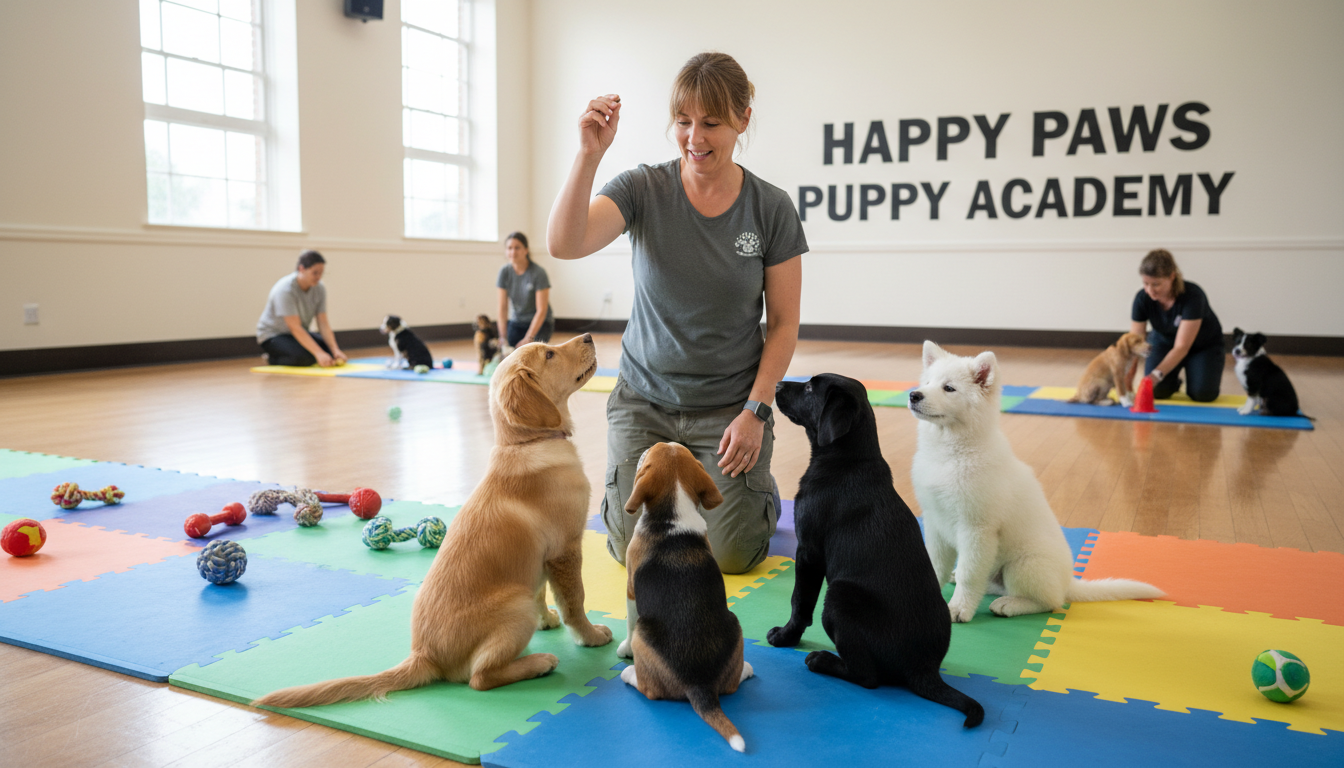
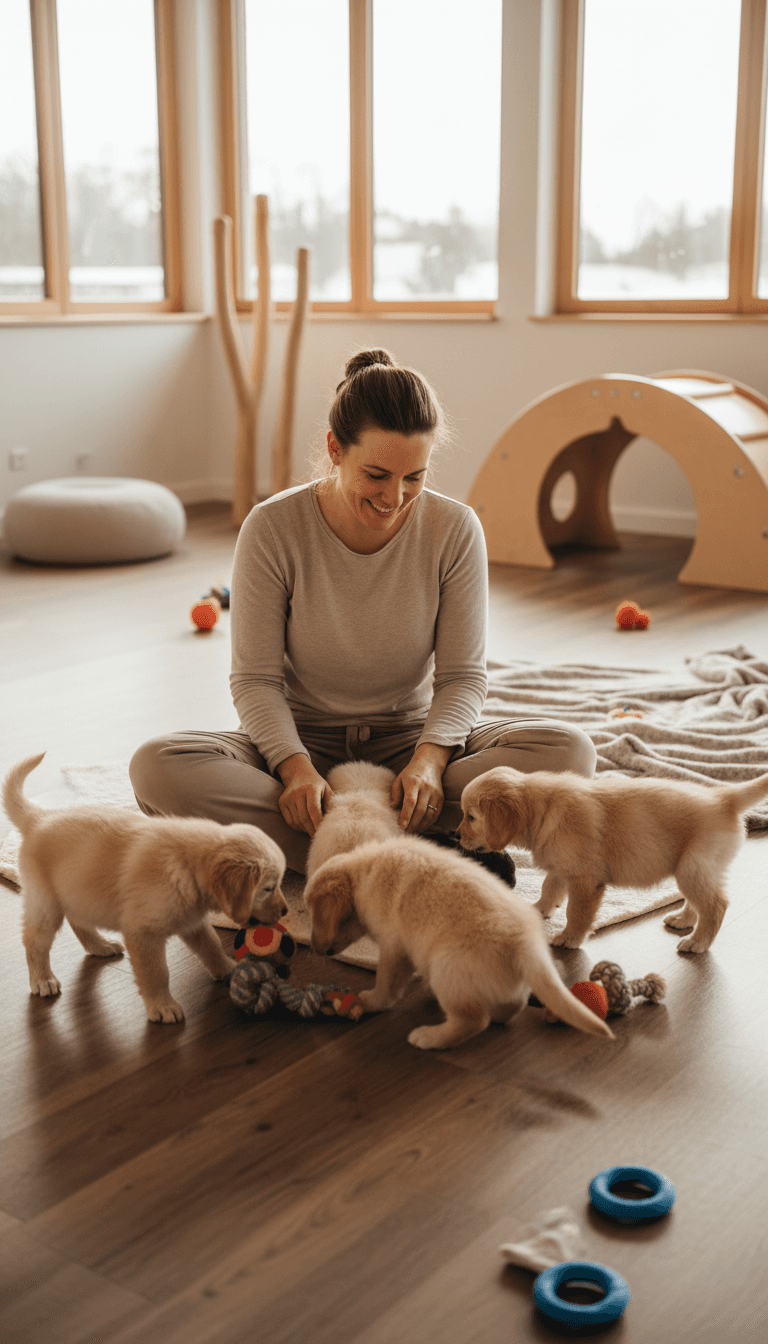
Identifying the puppy school vs puppy preschool difference Australia presents requires looking closely at who is leading the class and where it is held. Veterinary preschools are typically conducted within the clinic's waiting room or consulting area after the doors close for the day. This environment is highly controlled and sterile; which offers peace of mind for owners of puppies who have only had their first vaccination. However, these spaces are often cramped, restricted by fixed seating and reception desks, which limits the puppy’s ability to move and explore during socialization exercises.
The facilitators in a clinic setting are frequently veterinary nurses. While these professionals are experts in animal health and medical care, they may not possess formal qualifications in canine behavior or specialized training techniques. Consequently, some sessions can lean heavily toward health education, such as flea and tick prevention or nutrition, rather than the nuances of behavioral development. Local reviews in the region sometimes highlight a 'sales opportunity' atmosphere in these settings, where the focus shifts from training to product recommendations.
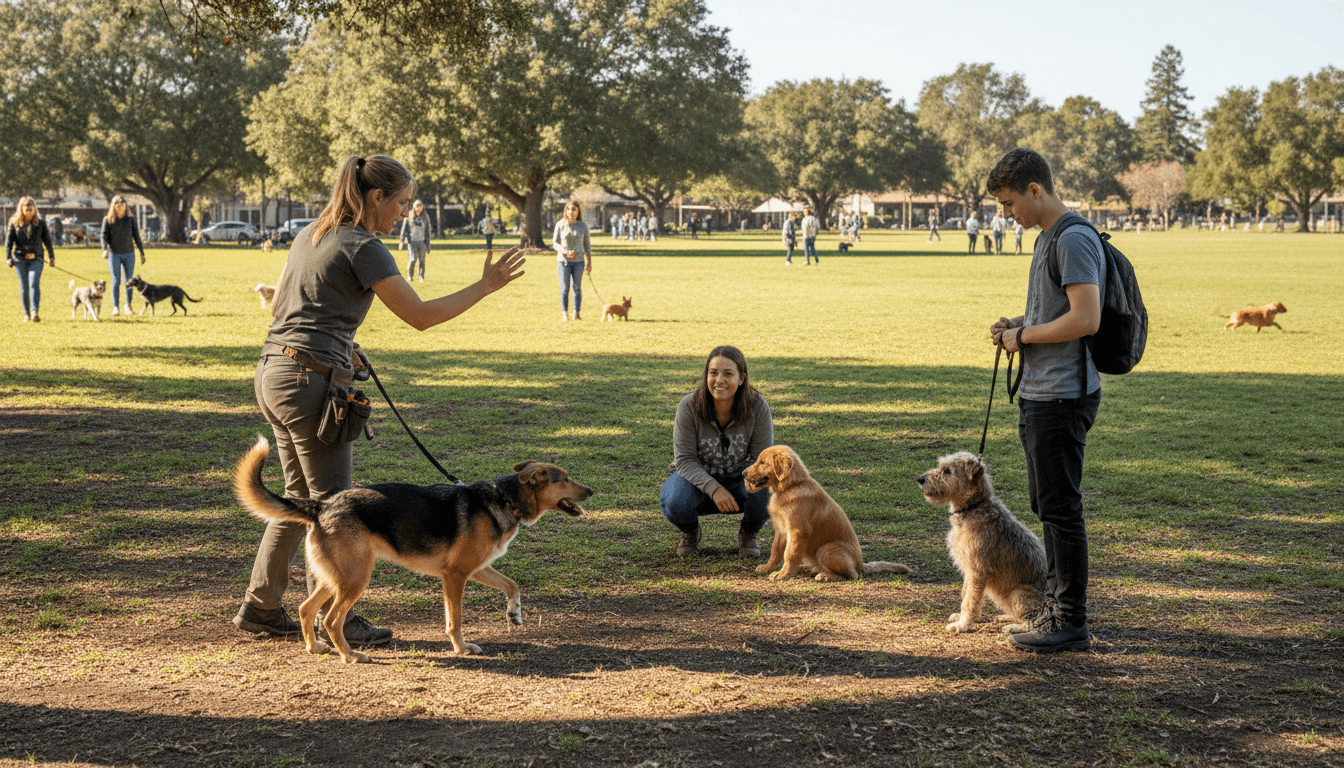
By contrast, an independent Sunshine Coast puppy school generally operates out of larger, dedicated venues like community halls or private training centers. These environments provide the physical space necessary for puppies to learn at a distance from one another; which is essential for preventing over-arousal. Professional trainers lead these puppy training classes, bringing deep expertise in reading body language and managing the specific psychological needs of developing pups.
Feature | Vet Clinic Preschool | Independent Puppy School |
|---|---|---|
Primary Facilitator | Veterinary Nurse | Professional Dog Trainer |
Environment | Clinical/Waiting Room | Community Hall or Training Center |
Focus | Health, Nutrition, & Basic Skills | Behavior, Socialization, & Foundation Cues |
Space | Often restricted or cramped | Expansive and modular |
Atmosphere | Sterile but potentially stressful | Neutral and movement-focused |
Choosing between these options depends on your priorities for your new addition. A clinic offers a convenient, familiar setting, but a dedicated training school prioritizes the behavioral expertise required to handle complex social interactions correctly. Independent schools focus on the 'schooling' aspect, ensuring that your pup learns to focus in a real-world environment rather than just surviving a cramped waiting room session.
What to Expect in a High Quality 4 Week Program

A premium 4 week program is designed to maximize the critical development window while respecting a puppy's limited attention span. Each weekly one hour session should be meticulously structured to balance active learning with calm observation. While many owners expect to focus solely on basic commands, a high quality curriculum addresses the broader psychological needs of a young dog. This comprehensive approach is a primary factor in the puppy school vs puppy preschool difference Australia provides across various training models.
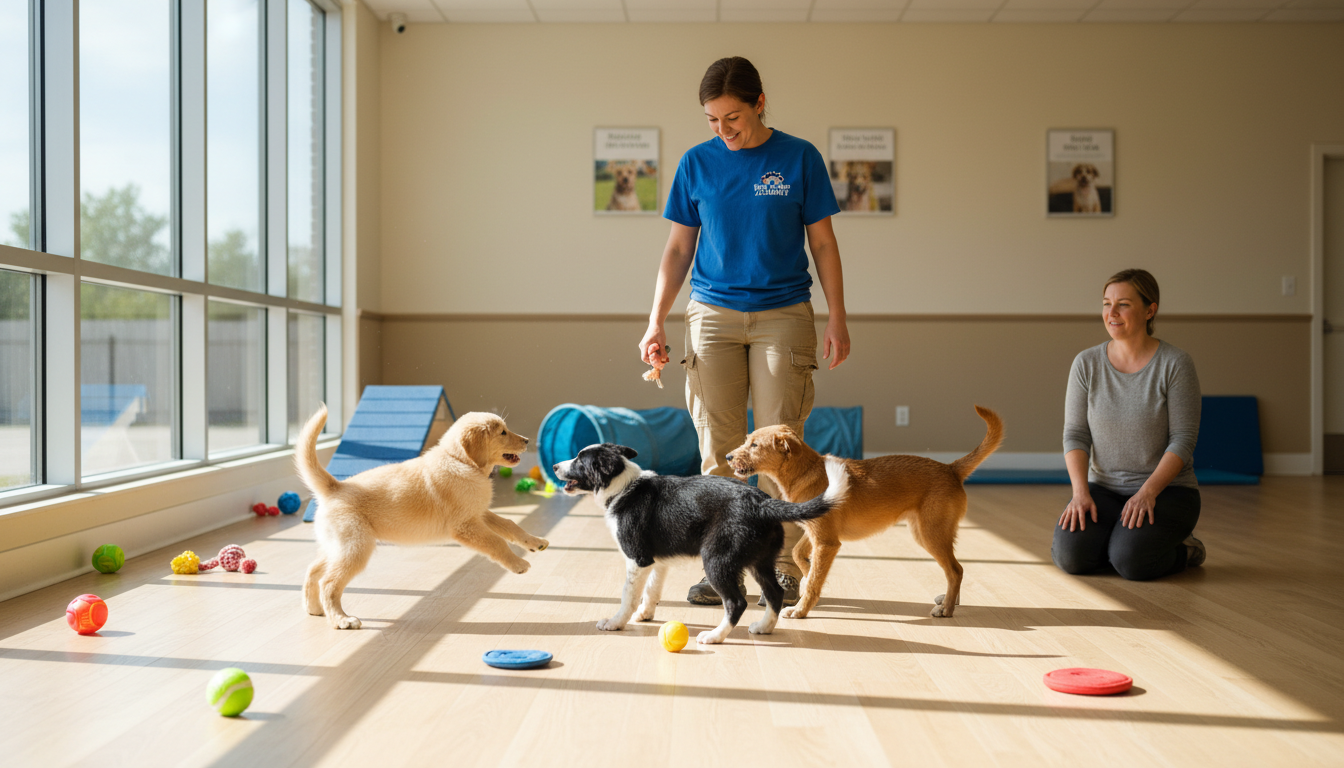
The hallmark of an expert led program is controlled socialization. Unlike unstructured playgroups where puppies are left to run wild, a professional puppy training classes environment prioritizes quality over quantity. Allowing puppies to engage in a "free for all" often leads to over arousal and future reactivity; where a dog becomes frustrated or fearful when they cannot reach another dog. Instead, professional trainers facilitate brief, calm interactions and teach puppies how to coexist peacefully in the presence of others without the need for constant physical contact.
A rigorous program also emphasizes three other core pillars beyond simple obedience:
Habituation to Stimuli: Puppies are introduced to unusual objects such as umbrellas, various floor textures, and strange sounds in a positive way. This builds confidence and prevents phobias from developing later in life.
Husbandry and Handling: Sessions include practical techniques for grooming and medical examinations. Learning to remain still for ear checks or paw handling makes future vet visits and grooming appointments significantly less stressful for the animal and the owner.
Foundation Cues: Beyond "sit" and "stay," trainers focus on engagement, name recognition, and "settle" behaviors that are useful in real world settings like cafes or parks.
By choosing a Sunshine Coast puppy school that utilizes this structured four week model, owners ensure their pup learns to focus amidst distractions. This systematic exposure creates a resilient, well adjusted adult dog capable of navigating the complexities of the modern Australian lifestyle.
Is Puppy Preschool Worth It? Evaluating the Cost and Benefits
Investing in a professional four week program is best viewed as preventative maintenance for your dog’s future. In Australia, the typical cost for puppy training classes ranges between $180 and $250 for a full course. While this represents an initial outlay alongside vaccinations and supplies, the long term return on investment is substantial. Addressing developmental milestones during the 8 to 16 week window is far more cost effective than rehabilitating an adult dog later. Professional intervention for established issues like separation anxiety or redirected aggression can cost upwards of $500 for a single private consultation; a proactive Sunshine Coast puppy school provides the tools to prevent these costly habits from ever forming.
This financial perspective highlights a key part of the puppy school vs puppy preschool difference Australia owners must evaluate; value is found in the quality of the behavioural foundation rather than just the price of admission. Beyond the economics, the structured one hour weekly sessions serve as a vital bonding period. This dedicated time allows you to learn your puppy’s specific communication style and body language under expert supervision. By establishing a clear, reward based dialogue during these first four weeks, you set the stage for a lifetime of cooperation, significantly reducing the risk of future behavioural breakdown.
The Sunshine Coast Context: Choosing the Right Location

Selecting a location for your puppy’s education on the Sunshine Coast involves more than just finding the nearest suburb. While owners from Noosa down to Caloundra have numerous options, the physical environment of the school plays a significant role in learning outcomes. A Sunshine Coast puppy school held in a community hall or dedicated training space offers a neutral sensory experience. In contrast, many veterinary clinics carry the “scent of stress” from previous medical procedures; these lingering “vet smells” can trigger anxiety in sensitive pups before the lesson even begins.
Our local lifestyle demands specific skills that go beyond the basics. Training a puppy to remain calm at a bustling Mooloolaba cafe or to ignore distractions while walking near the coastal pathways requires a setting that mimics the real world. When evaluating the puppy school vs puppy preschool difference Australia offers locally, prioritize providers that limit class sizes to small groups. Smaller cohorts ensure your trainer can tailor advice to your specific breed and lifestyle needs, such as preparing for your first trip to a dog-friendly beach. Choosing a spacious, community-based environment allows for the distance needed to keep puppies focused, ensuring puppy training classes remain a positive highlight of their week.
Critical Questions to Ask Before You Enrol
To cut through the semantic noise of the puppy school vs puppy preschool difference Australia often presents, focus on the specific operational standards of the provider. Before committing to puppy training classes, ask these four targeted questions:
What are the trainer’s specific behavioural qualifications? Ensure the lead instructor holds a formal certification in canine behaviour or professional dog training. Relying solely on clinical experience may provide health insights but can lack the nuance required for psychological development and reading subtle body language.
What is the vaccination and hygiene protocol? High quality programs require proof of at least the first round of vaccinations. They should also detail their sanitisation process for floors and equipment to protect puppies in the 8 to 16 week age bracket.
Is the curriculum strictly force free and reward based? Confirm the school uses positive reinforcement rather than aversive corrections or physical pressure. Modern science supports reward based methods for building lifelong confidence and a trusting bond.
What is the maximum class size? Effective Sunshine Coast puppy school sessions generally limit intake to small cohorts. This prevents overstimulation and ensures each owner receives individualised coaching during the one hour session.