Addressing a puppy missed socialisation window what to do involves working patiently at your dog's pace using counter-conditioning and positive reinforcement. Avoid forcing interactions; instead, reward calm behavior during gentle exposure to new environments. While the critical period ends by sixteen weeks, consistent training and professional guidance help older dogs continue to develop essential social skills.
If you are looking at your four month old puppy and feeling a wave of panic because you missed the legendary sixteen week socialisation window, you are not alone. Many owners on the Sunshine Coast find themselves catching up due to health delays, busy schedules, or simply not knowing where to start. This missed opportunity often leads to anxiety about future behavioural issues; however, while that early developmental phase is critical, it is certainly not a closed door. Understanding how to navigate this next stage is essential for preventing long term reactivity and fear. In this guide, we will break down the common signs of under socialisation and explain why exposure alone is often a mistake. You will also discover a practical recovery plan to help your older puppy gain confidence, set realistic milestones, and know exactly when it is time to call in professional support.
The Truth About the Critical Socialisation Window
The critical socialisation window is a biological reality in canine development, typically occurring between 3 and 16 weeks of age. During this phase, a puppy’s brain is incredibly plastic, making them naturally curious and exceptionally receptive to new experiences. Evolutionarily, this allowed wild canids to learn what was safe in their immediate environment before their natural fear response fully matured.
When owners realise their puppy missed socialisation window what to do becomes a source of significant anxiety, often leading to the fear that their dog is permanently ruined. While this period is the most efficient time for learning, missing it does not mean your dog cannot become a well adjusted companion. It simply means the process of learning changes from effortless absorption to more intentional, gradual training.
To navigate this correctly, we must differentiate between two scientific concepts: - Socialisation: Proactively forming positive associations with new stimuli, such as people, other animals, and varied environments. - Habituation: The process of learning to ignore neutral stimuli, like the sound of a distant lawnmower or the movement of cars, so the dog remains calm and neutral.
While the window for rapid, easy learning might be closing by 16 weeks, dogs remain lifelong learners. The transition out of this period is not a hard door slamming shut, but rather a shift in how we approach their development. By following expert puppy training tips and focusing on the quality of experiences over the quantity, you can still build a confident dog. If you are starting later than the ideal window, joining a structured four-week program provides the controlled environment necessary to bridge these developmental gaps safely and effectively.
Common Signs Your Puppy Missed Early Socialisation
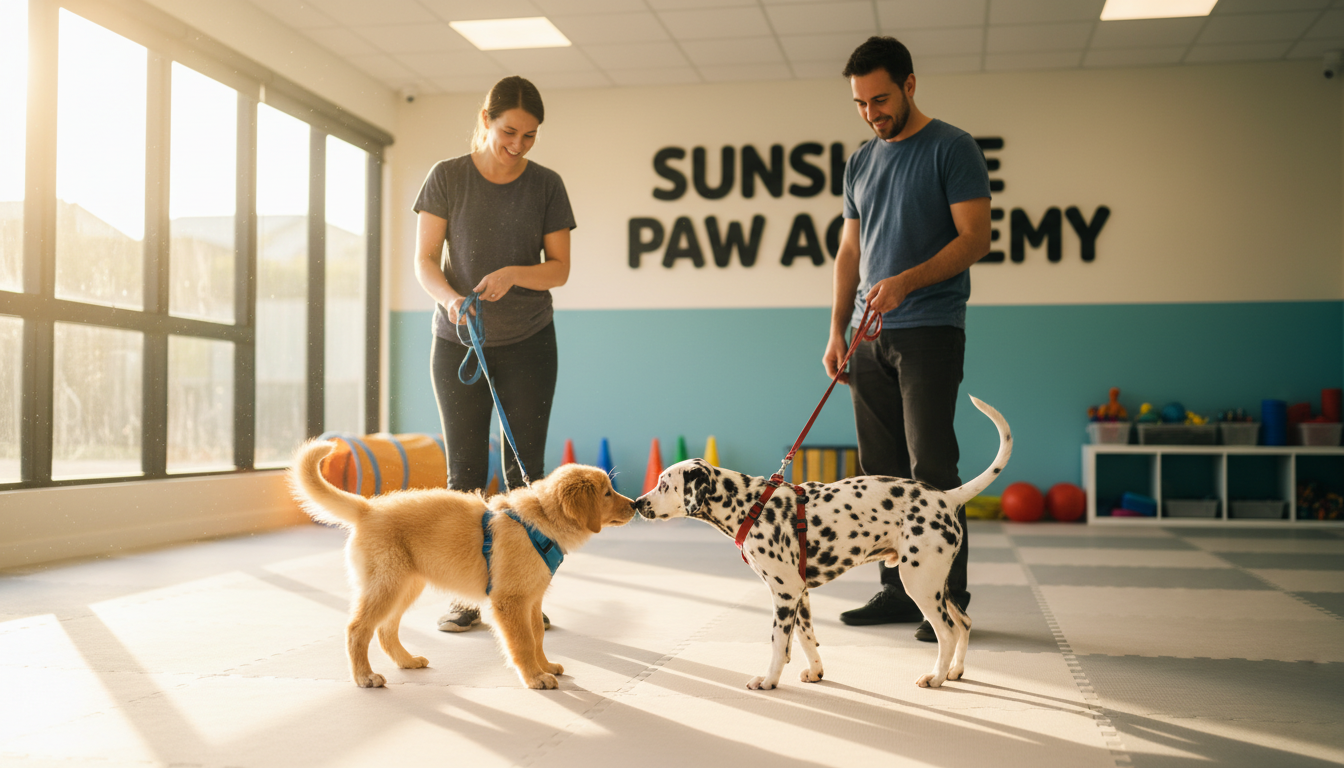
Identifying the signs of a poorly socialized dog is the first step in understanding how to help them navigate the world. These behaviors are rarely acts of defiance; instead, they are physiological responses to a brain that has not yet classified a specific stimulus as safe. On the Sunshine Coast, this often manifests when a puppy is faced with our vibrant outdoor lifestyle. You might notice your puppy tucking their tail or trembling when walking past a busy cafe in Maroochydore, or perhaps they become completely overwhelmed by the crashing waves and sudden noises at Coolum Beach.
Common red flags include: - Persistent barking or lunging at unfamiliar people, umbrellas, or bicycles. - Difficulty recovering after a startling noise, such as a loud vehicle or a dropped object. - Hyper-vigilance, where the puppy cannot focus on you because they are scanning the environment for potential threats. - Freezing or flatly refusing to walk on specific textures like metal grates, boardwalks, or wet sand.
When an owner realizes their puppy missed socialisation window what to do, the priority is recognizing these signals as a lack of exposure rather than a permanent character flaw. These reactions are simply your puppy communicating that they feel unsafe. Understanding this shift allows you to move away from frustration and toward a more supportive, structured approach to their ongoing development.
Why 14 Weeks or 4 Months is Not Too Late
Owners frequently ask: "Is 14 weeks too late to socialize a puppy?" The answer is a resounding no. While the peak window for effortless socialisation is narrowing, the period between 14 and 20 weeks represents a critical transition phase rather than a closed door. During this time, the canine brain still possesses significant plasticity, which allows for the formation of new, positive associations even if the earliest milestones were missed.
The primary difference at this age lies in the level of intentionality required from the owner. While an 8-week-old puppy might approach a new person on a Buderim trail with immediate curiosity, a 16-week-old may require more deliberate support to feel secure. This shift marks the move from passive, effortless socialisation to more active, rehabilitative training. You are essentially bridging the gap between what they missed and what they need to know to function in society. By applying specific puppy training tips that focus on gradual confidence building, you can successfully navigate this stage. Enrolling in a structured four-week program during this transition ensures you have the professional oversight needed to handle this more nuanced developmental stage effectively.
Socialisation vs Exposure: The Mistake to Avoid
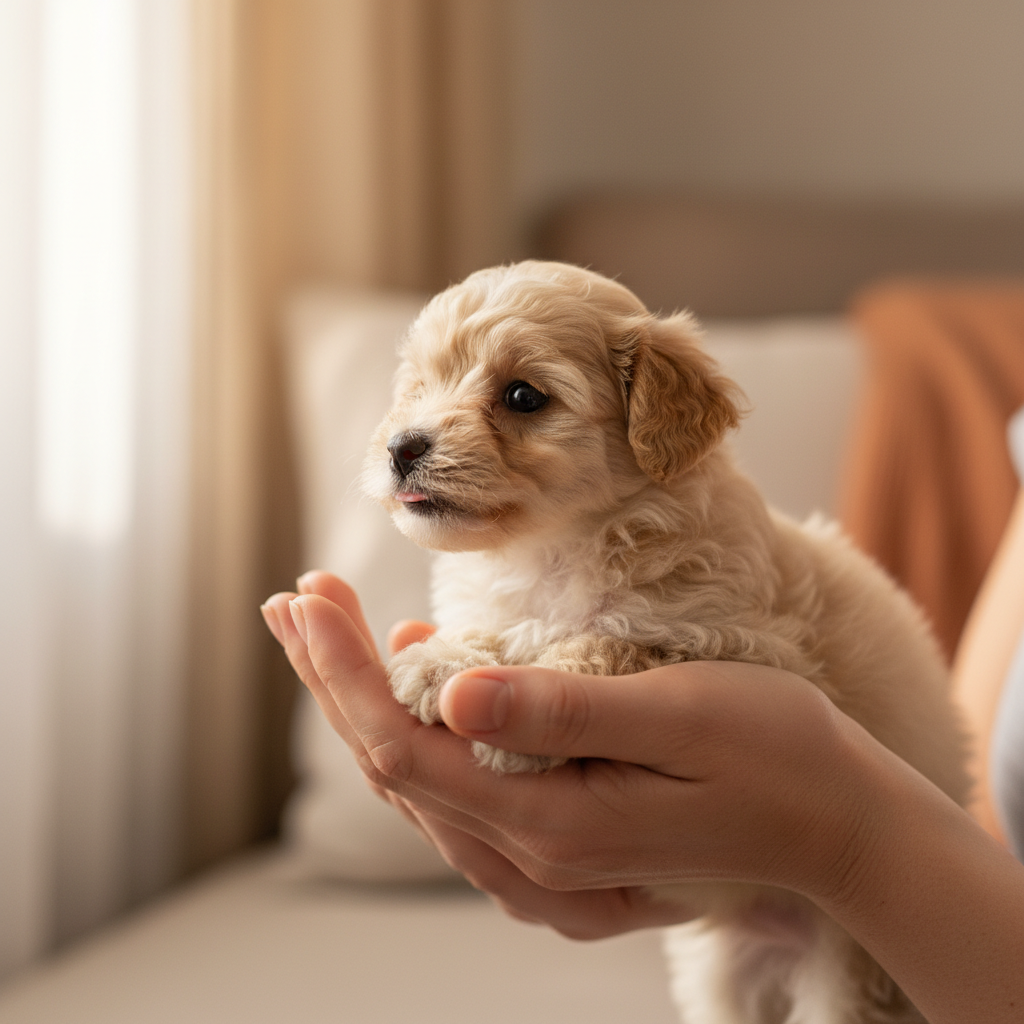
Transitioning into active training requires a clear understanding of the difference between socialisation and mere exposure. Many owners believe that taking their puppy to as many places as possible is the primary solution when a puppy missed socialisation window what to do, but this often leads to a common mistake called flooding. Exposure is simply the act of bringing a dog into an environment, regardless of their emotional state. Socialisation, conversely, is the process of ensuring the puppy feels safe, relaxed, and happy while experiencing something new.
If the puppy is not having a good time, they are not being socialised; they are being sensitised. This means their fear response is actually getting stronger because they feel trapped in an overwhelming situation. A classic Sunshine Coast example involves the Mooloolaba weekend markets. Dragging a hesitant puppy through the middle of the crowded stalls, where they are surrounded by towering legs, loud music, and unpredictable smells, is pure exposure. For a sensitive dog, this can be terrifying and may lead to a lifelong fear of crowds.
True socialisation would involve sitting 50 metres away on the grass, where the puppy can watch the activity from a safe distance while enjoying high-value treats. In this scenario, the puppy learns that the market is a neutral background event that predicts good things, rather than a threat to their safety. By prioritising the puppy’s emotional comfort over the quantity of outings, you can effectively use puppy training tips to build genuine confidence. For those navigating these nuances for the first time, a structured four-week program offers a controlled environment where these positive associations are carefully managed by professionals.
How to Socialise an Older Puppy: A Step by Step Recovery Plan
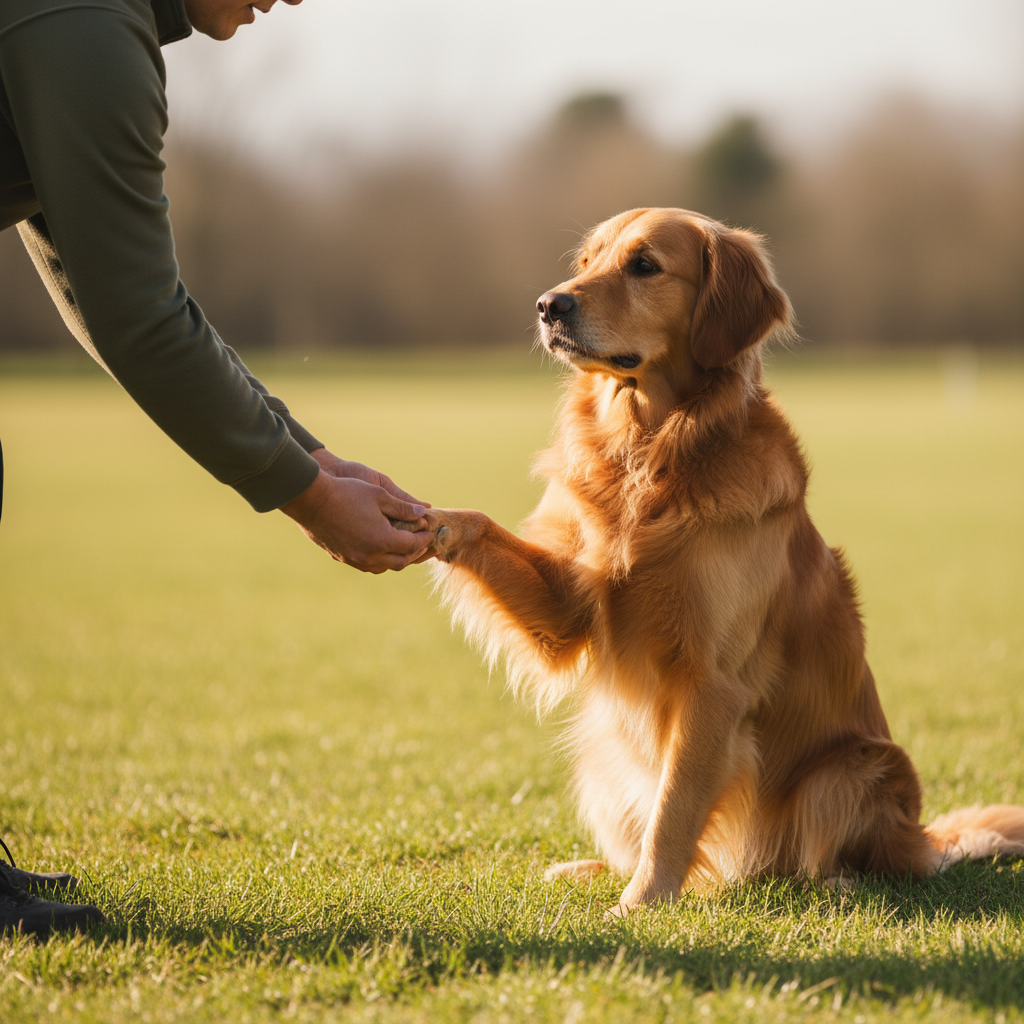
When a puppy missed socialisation window what to do becomes the primary concern for an owner, a systematic recovery plan is the most effective way to move forward. This process requires patience and a strict commitment to working at the dog’s individual pace.
Identify the Triggers: Start by listing exactly what causes your puppy to hesitate, stare, or react. This could be specific categories of people, such as children on scooters or workers in high-visibility gear, or certain surfaces like the metal ramps at a local boat ramp. It might also include environmental noises, such as the distinct hiss of air brakes on a bus along the Nicklin Way. Knowing these triggers allows you to plan your training sessions rather than being caught off guard.
Find the Threshold: The threshold is the precise distance at which your puppy notices a trigger but remains calm enough to take a treat and look back at you. If you are practicing at a quiet park in Buderim and a person walks by, your puppy’s threshold might be 20 metres away. If they stop taking food, start panting, or fixate on the person, you have crossed the threshold. Maintaining "social distancing" for dogs is vital; if you push them too close, the brain switches from a learning state to a survival state, making training impossible.
Implement Counter-Conditioning: This involves changing the puppy's internal emotional response. When the puppy notices the trigger from a safe distance, immediately offer a high-value reward like boiled chicken or small cubes of cheese. You want the puppy to associate the presence of the trigger with an impending reward. Over hundreds of repetitions, the sight of a cyclist on the Coastal Pathway will begin to predict something positive rather than something to fear.
Gradual Progression: Only move closer to a trigger when your puppy is consistently relaxed and looking to you for a treat at the current distance. This might mean spending several sessions at the far edge of a field before moving toward the path. A successful progression involves mastering calm behaviours in a low-distraction environment, like a suburban street in Mountain Creek, before eventually hitting the more complex sights and smells of the Noosa Woods.
By focusing on these puppy training tips, you build a foundation of trust. For many owners, managing these thresholds in public can be difficult, which is why a structured four-week program is often the safest way to practice these techniques under professional supervision.
Setting Realistic Expectations for Your Older Puppy
Success with a recovery plan requires you to work with the dog in front of you rather than the dog you imagined having. Many owners feel immense pressure to raise a cafe dog or a dog park dog because of our active lifestyle here on the Coast. However, if your puppy missed socialisation window what to do should focus on achieving neutrality rather than forced sociability. The goal is a dog that can observe a crowd in Mooloolaba or another dog in Buderim without feeling the need to react, flee, or engage.
This shift in perspective is vital for long-term success. A confident, neutral dog is often much easier to live with than one that is constantly seeking attention from strangers. By following professional puppy training tips that emphasise calm, you avoid the trap of over-training. Not every dog needs to love everyone; a dog that is comfortable and secure in their own space is a significant training achievement.
When to Seek Professional Puppy Training on the Sunshine Coast
While the strategies listed above provide a solid foundation, there is a distinct tipping point where professional intervention becomes necessary for safety and progress. If your puppy exhibits lunging, redirected aggression, or extreme shutdown behaviors where they completely refuse to move or eat, DIY methods may be insufficient. These are physiological red flags that require a more calibrated approach than a public park can offer.
Enrolling in a structured four-week program provides a level of control impossible to replicate in the unpredictable environment of a local trail or busy beach. We focus on supervised puppy meets where every interaction is mediated by an expert to ensure social safety. This prevents the high risk nature of random encounters, ensuring your dog builds positive associations rather than experiencing further trauma. When an owner is concerned that their puppy missed socialisation window what to do, professional guidance ensures you do not accidentally reinforce fearful behaviors. Following expert puppy training tips within a small group setting allows for gradual, safe progress.