To prepare puppy for first puppy school class, ensure vaccinations are up to date and pack a kit with high-value treats, a flat collar, and a mat. Owners should also feed a smaller meal before the session to increase food motivation; additionally, a potty break right before arriving will help the pet stay calm and focused during training.
Walking into your first puppy school session on the Sunshine Coast can feel overwhelming when your four-legged student is spinning on the leash or completely distracted by the new environment. Many owners arrive feeling anxious; they worry about their puppy misbehaving or being the loudest in the room. However, a successful first class starts long before you reach the training grounds. Proper preparation ensures your puppy is in the right headspace to focus, learn, and socialize safely. This guide covers everything you need to navigate the experience with confidence. We will discuss essential gear, specific health requirements for local coastal safety, and why managing your puppy’s hunger and energy levels is critical for success. By the end of this post, you will understand how to be the calm anchor your puppy needs to thrive during their very first hour of formal education.
Essential Gear: What to Bring to Your First Training Session
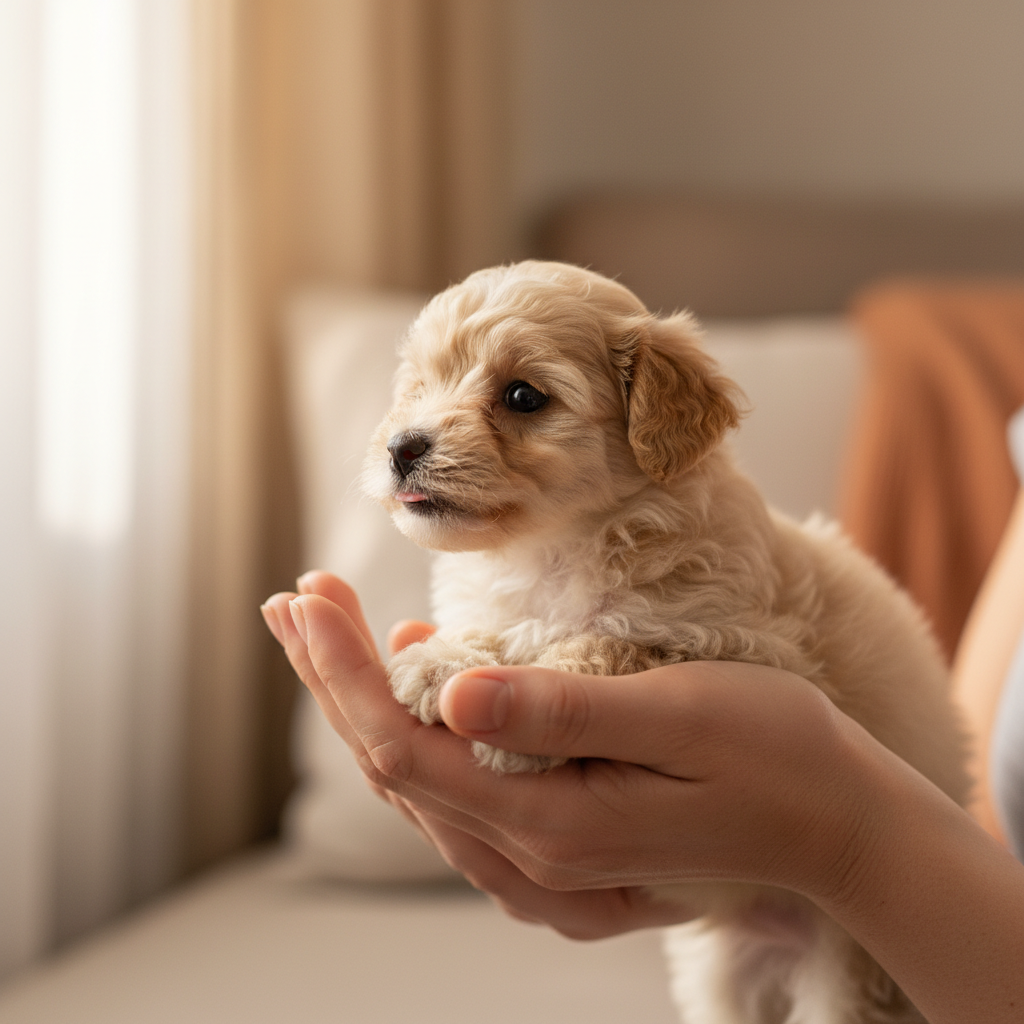
Setting yourself up for success begins before you even leave your driveway. To properly prepare puppy for first puppy school class, you need more than just a leash and a dream. The right equipment facilitates clear communication between you and your puppy; it minimizes frustration in a high-distraction environment where their attention will naturally drift toward other dogs and smells.
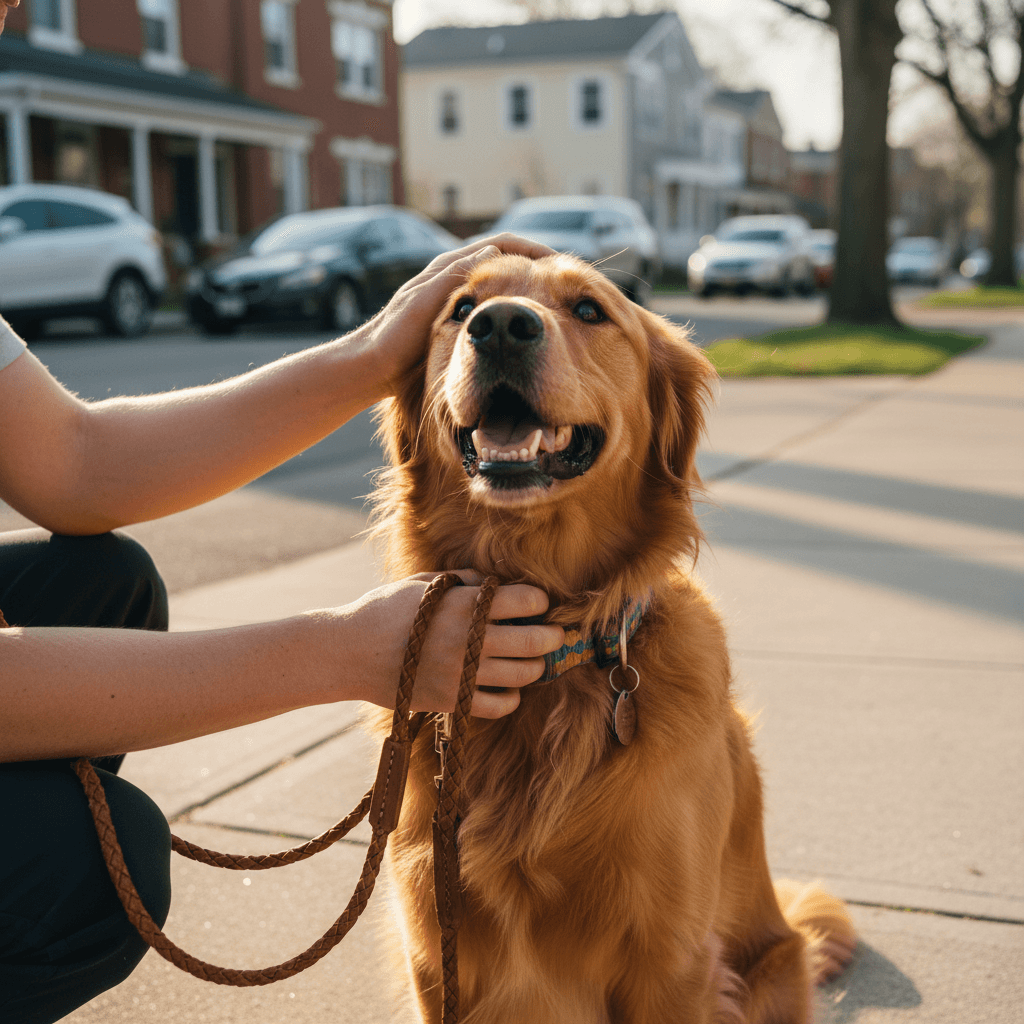
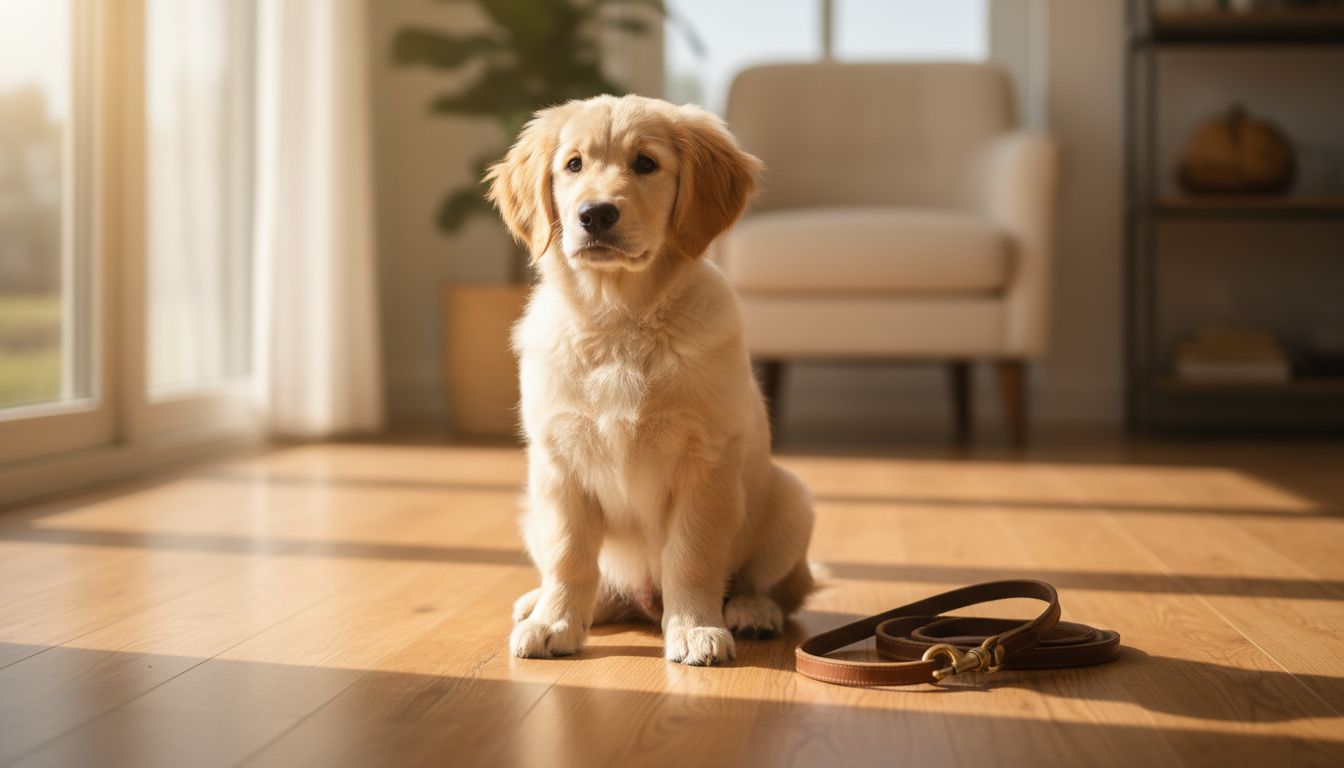
Start with the basics of restraint. We require a standard flat collar or a well-fitted harness paired with a fixed 1.2 to 1.8-meter lead. Retractable leads are discouraged in our puppy training classes because they lack the necessary tension control and can be hazardous in close quarters. A fixed lead allows you to guide your puppy with subtle movements, which is essential for learning loose-lead walking and maintaining focus when you are standing in a group.
Next, organize your "Treat Hierarchy." A common mistake is bringing only one type of reward. To keep a puppy engaged, you should pack three distinct levels of motivation:
Low-Value: Their standard dry kibble. Use this for behaviors the puppy already knows well or when they are already focused on you.
Medium-Value: Commercial training treats or crunchy biscuits. These are useful when transitioning between tasks or practicing familiar commands in a new space.
High-Value: Sliced boiled chicken, small cubes of cheese, or tiny pieces of plain Devon. These are reserved for learning brand-new skills or regaining focus when another puppy is barking nearby.
Item | Purpose | Specification |
|---|---|---|
Fixed Lead | Safety and communication | 1.2m to 1.8m length |
Treat Pouch | Accessibility | Hands-free belt style preferred |
Training Mat | Boundary setting | A familiar bath mat or towel |
Water Bowl | Hydration | Portable or collapsible |
Finally, bring a familiar mat or towel from home. This acts as your puppy’s "station" or safe zone. By having a designated spot to settle, your puppy learns that when they are on the mat, it is time to relax and listen. This simple tool is a core part of the curriculum at Puppy School Sunshine Coast and helps define their personal space among their new classmates.
Health First: Vaccinations and Safety on the Sunshine Coast
Beyond the physical gear, your puppy’s health status is the most critical prerequisite for attendance. To properly prepare puppy for first puppy school class, you must ensure their immunity is developing as expected. We require every participant to have received at least their first C3 vaccination, protecting them against distemper, hepatitis, and parvovirus, at least seven days before joining a group environment.
You are required to present a physical or digital copy of the vaccination certificate at your first session with Puppy School Sunshine Coast . This documentation is easily sourced from any of our local Sunshine Coast vet clinics during your initial health check. Maintaining these records is a mandatory safety protocol that ensures a secure learning environment for every puppy in the cohort.
There is often confusion surrounding the 7-7-7 or 10-10-10 rules, which suggest waiting specific periods after multiple rounds of shots before venturing out. However, veterinary experts emphasize that the window for primary socialization, occurring between 3 and 16 weeks of age, is the most influential period of a dog's life. Missing this window due to over-caution can lead to long-term behavioral challenges. By attending our classes in a sanitized, controlled environment with other age-appropriate, vaccinated puppies, you prioritize vital social development while managing health risks responsibly.
Managing Energy Levels: The Goldilocks Zone of Exercise
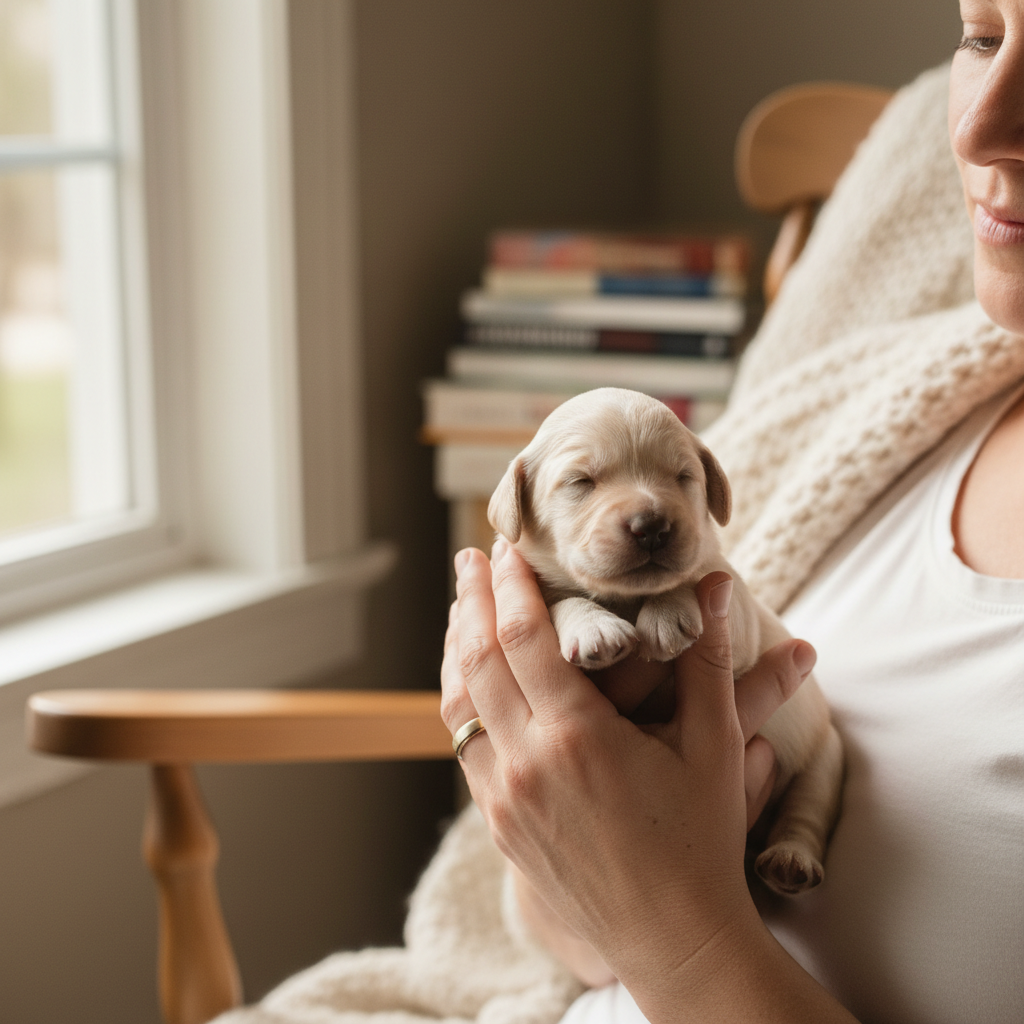
Achieving the "Goldilocks Zone" of energy is a critical step to prepare puppy for first puppy school class. This sweet spot ensures your puppy has enough mental stamina to engage with you without being so hyperactive that they cannot settle. Finding this balance requires a strategic approach to their activity levels in the hours leading up to your session.
Avoid the temptation to wear them out with high intensity exercise right before the start time. While a long morning at Mooloolaba Beach or an adventurous walk through Buderim Forest Park sounds productive, it often backfires. An over-tired puppy is physically incapable of focused learning; they may become irritable, vocal, or simply shut down. Training is a cognitive workout, and if their physical battery is at zero, their mental battery will follow suit almost immediately.
Conversely, a puppy that has been confined or sleeping for hours before class will arrive with a surplus of frantic energy, often resulting in the zoomies. To bridge the gap, we recommend arriving ten minutes early for a sniffari. This involves a slow, 5 to 10 minute focused sniffing walk around the immediate exterior of the Puppy School Sunshine Coast venue.
Sniffing is a calming, low impact activity that lowers a dog’s heart rate and allows them to process the scents of the local environment. By letting them explore the perimeter on a loose lead before entering, you help them decompress from the car ride and enter our puppy training classes in a neutral, attentive state of mind. This gentle transition helps them settle much faster once they are on their mat.
The Half Meal Rule: Why a Hungry Puppy is a Better Student
Once you have addressed your puppy’s physical energy, you must consider their appetite. To effectively prepare puppy for first puppy school class, we recommend implementing the "Half Meal Rule." This involves feeding only half of their scheduled breakfast or dinner in the mealtime immediately preceding your session.
This strategy is designed to maximize "food drive," a canine’s natural motivation to work for a food resource. If a puppy arrives with a full stomach, they are likely to be lethargic and uninterested in even the highest-quality treats. In the stimulating environment of Puppy School Sunshine Coast, there is a lot of sensory data competing for your puppy’s attention. A healthy appetite ensures that you remain the most interesting thing in the room because you are the provider of high-value rewards.
For owners attending our evening puppy training classes, timing is particularly important. If your puppy hasn't eaten since the morning, they may become "hangry" or irritable, which can lead to vocalizing or a lack of focus. In these instances, a very light snack in the mid-afternoon is appropriate. The goal is to keep them comfortable but eager. You can simply provide the remainder of their daily food ration once you return home and settle in after class.
Sunshine Coast Climate Considerations: Beating the Heat
The subtropical climate of the Sunshine Coast introduces a unique variable to your training environment. High humidity and soaring temperatures can quickly sap a puppy’s mental energy, making it difficult for them to process new information. To properly prepare puppy for first puppy school class, prioritize temperature regulation from the moment you leave home. Start by pre-cooling your car’s interior for several minutes before loading your puppy; a hot cabin can lead to heat stress and agitation before they even arrive at Puppy School Sunshine Coast.
While most venues provide shared water, you should always bring a familiar portable bowl. Puppies are often more willing to drink from their own gear, which is essential for maintaining focus during our puppy training classes. If your session is held in a local community hall, be mindful of the transition from the humid outdoor air to a cooler indoor space. This rapid change can trigger panting or restlessness as their body adjusts. Keeping your puppy hydrated and cool ensures they remain receptive to learning rather than distracted by physical discomfort.
Preparing the Humans: Your Role as the Calm Anchor
While managing the environment is vital, managing your own internal state is equally crucial. Your puppy acts as a mirror to your emotions; they are highly perceptive to subtle cues like a tight grip on the lead or an impatient tone of voice. To effectively prepare puppy for first puppy school class, you must adopt the role of a calm anchor. If your puppy barks at a classmate or has an accident on the floor, remember that this is entirely normal and expected. Reacting with frustration or embarrassment only increases your puppy's anxiety, making it harder for them to settle.
Consistency across your household is the backbone of successful puppy training classes. We encourage the whole family to attend and observe so that everyone understands the verbal cues and hand signals being taught. However, for the duration of the one hour session at Puppy School Sunshine Coast, we suggest limiting the active handling to one or two people. This prevents the puppy from becoming overwhelmed by conflicting physical signals or varying reaction times from different family members. By staying composed and providing a predictable environment, you allow your puppy to feel secure enough to focus on the new skills being introduced.
What to Expect During Your First Hour at Puppy School
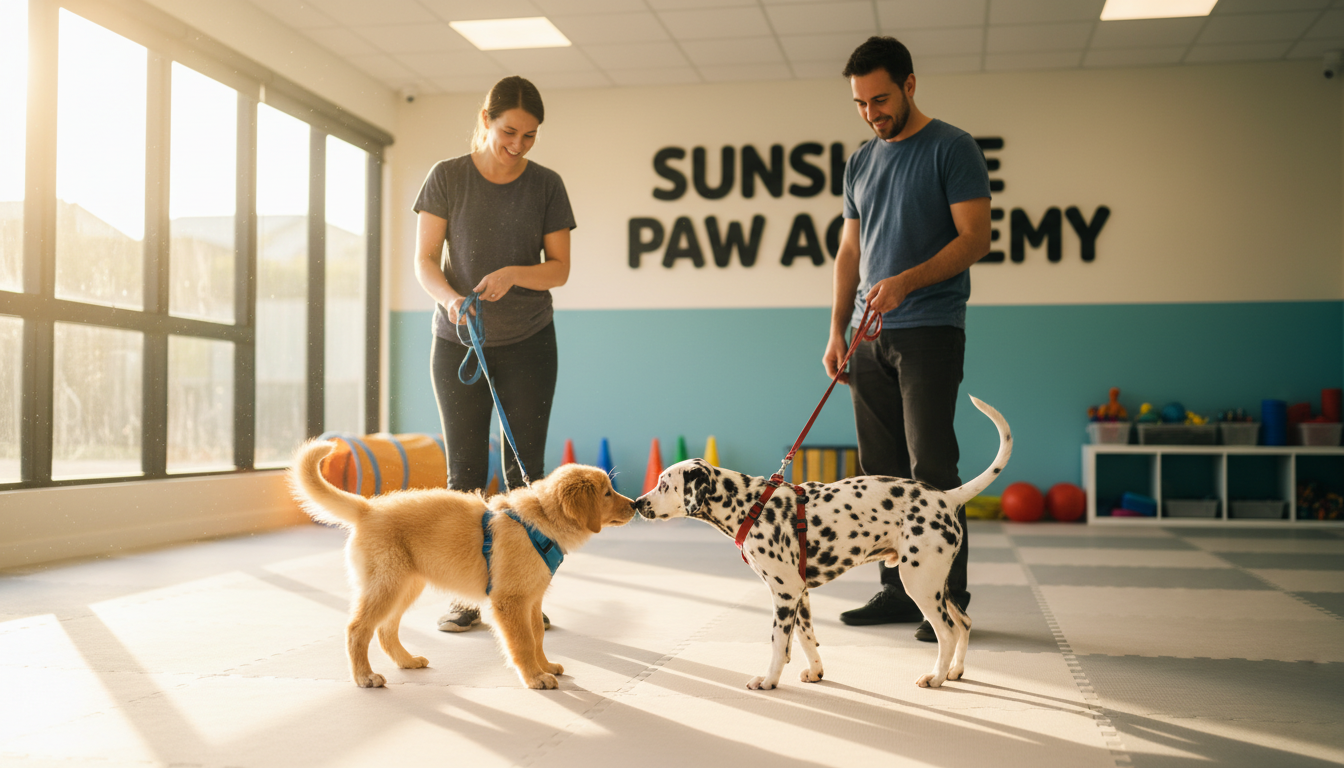
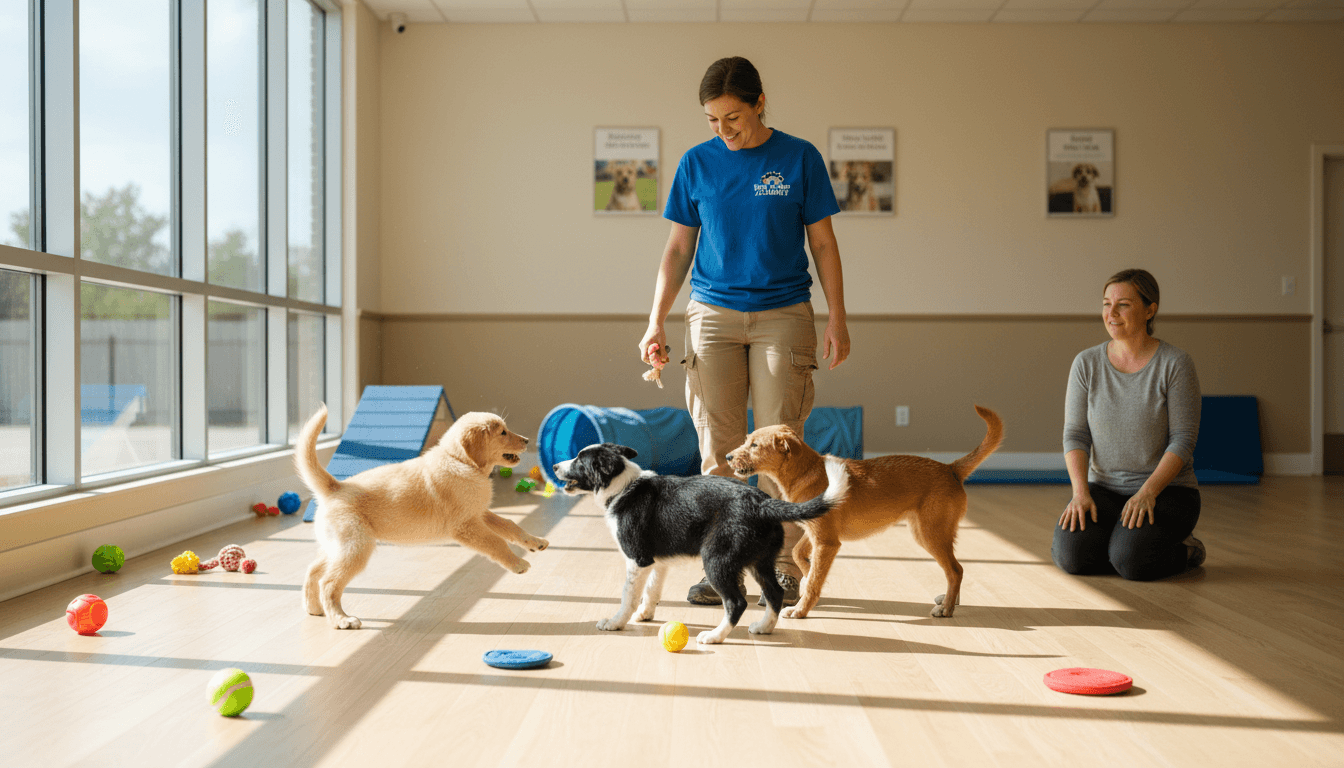
When you arrive at the venue, the first hour of our program is designed to move your puppy from a state of excitement to one of calm focus. The process begins with the arrival and check-in, where we verify your documentation and help you find a space that provides enough distance for your puppy to feel secure. Once you are positioned, the session opens with a settling in period on your puppy’s mat. This is a vital exercise in impulse control; it teaches your puppy that despite the presence of new friends and interesting smells, their primary job is to remain neutral and attentive to you.
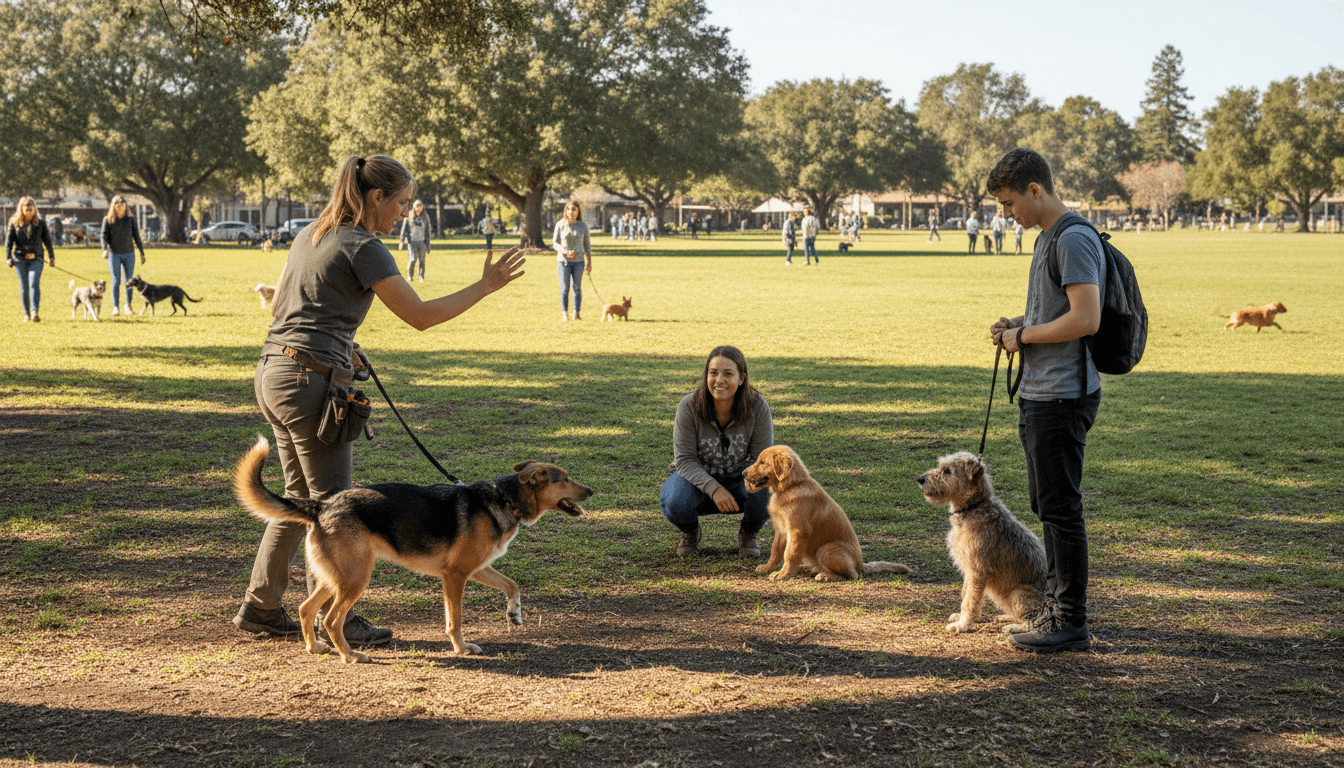
The curriculum at Puppy School Sunshine Coast maintains a careful balance between controlled socialization and foundational obedience. Socialization in our puppy training classes is not a chaotic free-for-all; rather, it is a structured opportunity for puppies to observe and interact with others under expert supervision. Interspersed with these social breaks are obedience exercises focusing on the basics of sit, stay, and recall.
Perhaps the most significant aspect of this first session is the education of the owner. You will spend much of the hour learning the mechanics of clear communication, including reward timing and body language. These skills are essential to prepare puppy for first puppy school class and every lesson that follows, as they bridge the gap between human logic and canine instinct.
Post Class Decompression: Handling the Puppy School Hangover
After an hour of intense mental stimulation at Puppy School Sunshine Coast, your puppy will likely experience what is often called a puppy school hangover. While it might seem like they did little physical running, the cognitive load of processing new scents, social cues, and commands is exhausting for a developing brain. Expect them to sleep heavily for several hours following the session as their mind processes the new information.
Immediate post-class management is vital for maintaining house training consistency. Before you head inside your home, prioritize a toilet first stop in a familiar area. The high level of focus required during puppy training classes often causes puppies to ignore their physical urges until they arrive back in a safe, known environment.
To effectively prepare puppy for first puppy school class, you must also protect the hours that follow it. Avoid scheduling visitors, family gatherings, or big adventures immediately after training. A quiet, low-stimulus environment is essential for memory consolidation, allowing the puppy to settle without being overwhelmed by additional sensory input. This decompression period ensures they wake up refreshed and ready to practice their new skills at home.