Puppies can be safely socialised through exposure to diverse local spots such as the Eumundi Markets, Noosa Botanic Gardens, and dog-friendly beaches like Moffat or Coolum. This list of 50 safe socialisation experiences for sunshine coast puppy focuses on positive interactions with new people, animals, and environments before fourteen weeks of age. Owners should keep these early sessions short and controlled to ensure their pet remains calm and confident in various public settings.
Bringing home a new puppy to the Sunshine Coast is an exhilarating milestone, yet many owners find themselves paralyzed by the ticking clock of the critical socialization window. You understand that these early weeks shape your dog's future temperament; however, the fear of infectious diseases often leaves you feeling restricted to your own backyard. True socialization is not merely about meeting other dogs; it is a strategic process of building confidence through controlled, positive exposure to the world. To ensure your companion grows into a resilient adult, we have curated the ultimate checklist of fifty safe socialization experiences tailored to our unique coastal lifestyle. This guide covers everything from navigating iconic local environments and diverse human appearances to mastering the essential 7 7 7 rule for development. You will learn how to provide your puppy with the vital foundations for a confident life in our vibrant community without compromising their health or safety.
Why the First 16 Weeks Matter for Your Sunshine Coast Puppy
The first 16 weeks of a puppy's life represent a unique biological period known as the critical socialisation window. During this phase, a puppy's brain is exceptionally receptive to new experiences, forming the foundation for their future temperament and confidence levels. Once this window closes, typically around four months of age, puppies naturally become more cautious and suspicious of anything they have not yet encountered.
Effective socialisation is often misunderstood as simply letting a puppy play with other dogs. In reality, it involves gradual, intentional exposure to the entire human world. For residents of the Sunshine Coast, this means preparing your dog for a coastal lifestyle that likely includes navigating busy boardwalks, hearing the bustle of weekend markets, and remaining calm at outdoor cafes.
It is vital to distinguish between exposure and positive exposure. Merely taking a puppy to a loud environment does not guarantee they will be comfortable there; if they are overwhelmed, they may develop a lasting fear. To successfully navigate 50 safe socialisation experiences for sunshine coast puppy development, every encounter must be paired with high-value rewards and kept within the puppy's comfort zone. This controlled approach is a core focus of our structured four-week puppy school program, where we prioritise building confidence through neutral or positive associations. Ensuring your puppy feels safe during these early outings is the most effective way to prevent reactive or anxious behaviours in adulthood.
How to Socialise a Puppy Safely Before They Are Fully Vaccinated
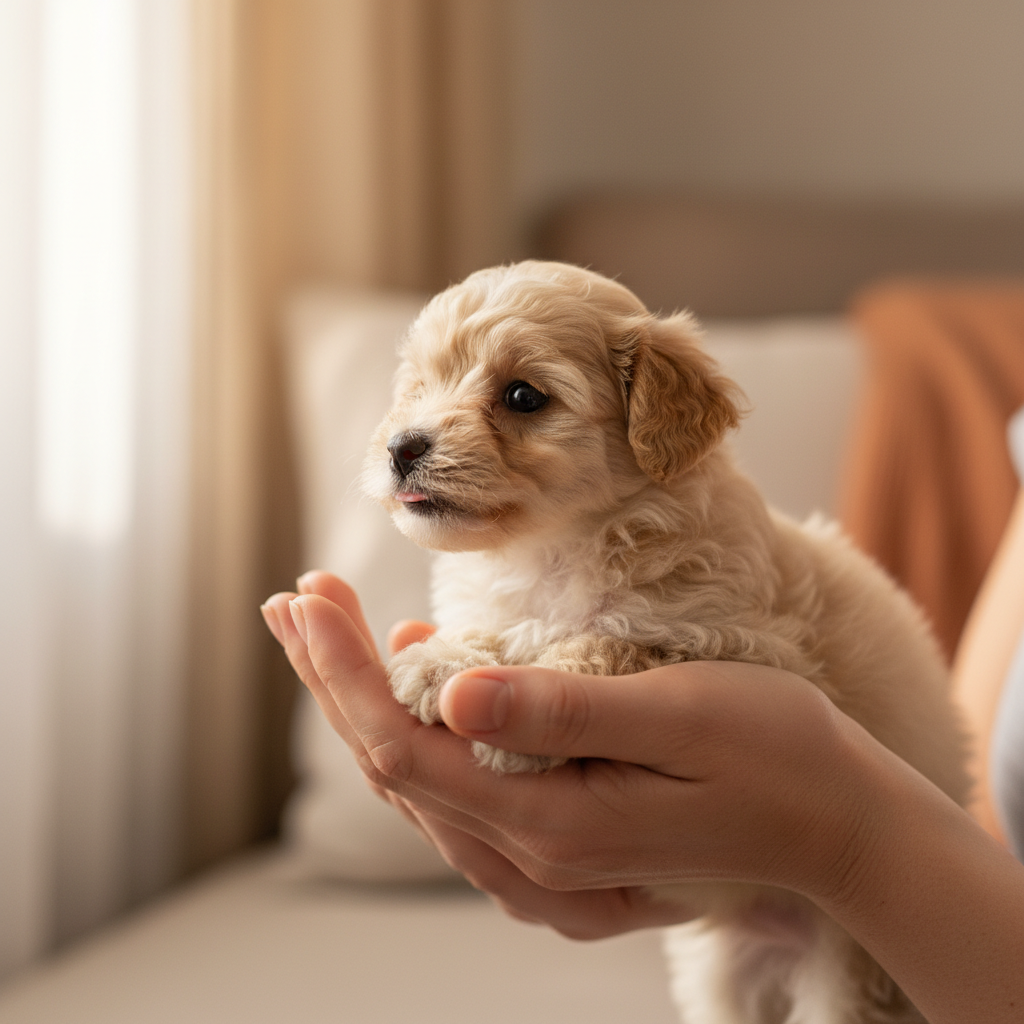
Owners often ask if it is safe to take their puppy out before their final vaccinations at 16 weeks. The answer is a definitive yes, provided you manage the environment correctly. The primary risk for an unvaccinated puppy comes from paws on the ground in areas frequented by dogs of unknown vaccination status. Pathogens like Parvovirus can persist in the soil for years; therefore, public grass and footpaths are off-limits for walking. However, preventing all exposure during this time is equally risky for their long-term temperament.
To master puppy socialisation safely before vaccinations, you must focus on passive observation. One effective method is carrying your puppy in a secure sling or backpack along the Mooloolaba Esplanade. This allows them to experience the scent of the ocean, the sound of traffic, and the sight of crowds without physical contact. Alternatively, you can drive to Kawana Shoppingworld and sit in the open boot of your parked car. From this safe vantage point, your puppy can watch trolleys rattling by, hear the hiss of automatic doors, and observe the varied movements of shoppers.
For a more stationary experience, bring a clean, freshly laundered picnic mat to a local park. As long as the puppy remains on the mat and does not step onto the grass, they can safely take in the environment. These methods ensure you are progressing through your list of 50 safe socialisation experiences for sunshine coast puppy development while keeping their physical health a priority. Remember, early socialisation is about training the brain through sight and sound, not necessarily the feet.
Local Sights: 10 Sunshine Coast Icons and Environments
Expanding on the concept of safe, passive observation, you can effectively integrate your puppy into our unique coastal lifestyle by visiting specific regional landmarks. These locations provide a controlled backdrop for many of the 50 safe socialisation experiences for sunshine coast puppy development. When visiting these spots, prioritise distance; your puppy should be able to watch the environment comfortably without showing signs of stress.
Noosa Main Beach: Position yourself on the boardwalk to watch surfers. The sight of people carrying large boards and the rhythmic crashing of waves are excellent stimuli.
Eumundi Markets: Visit on a Wednesday morning when crowds are thinner. The combination of live acoustic music, varied food smells, and colourful stalls builds sensory resilience.
Local Bunnings: Place your puppy in a trolley lined with a familiar blanket. This provides exposure to bright industrial lighting and the metallic clatter of hardware.
Alex Headland Skate Park: Sit on the grassy hill at a distance. The high-speed movement of skateboards and the sharp clack of wheels on concrete are vital for desensitisation.
Noosa Ferry: Watch the ferry dock at Noosa Marina. The low rumble of the engine and the sight of a large vessel moving on the water are unique local experiences.
Nambour or Landsborough Railway Station: Listen for the ding of the pedestrian crossing and the heavy vibrations of a passing Queensland Rail train.
Point Cartwright Lighthouse: Observe the wind catching paragliders or kites in the sky against the backdrop of the ocean.
Montville Main Street: Experience the narrower, busier sidewalks and the sound of bells as shoppers enter boutique stores.
Mooloolaba Wharf: Expose your pup to the distinct scent of fresh seafood and the sight of large trawlers.
Kawana Shoppingworld: Park near a main entrance to observe the hiss of automatic doors and the movement of loaded trolleys from a safe vantage point.
While these environments provide excellent visual and auditory stimulation, the next step in a structured four-week puppy school program involves helping your puppy remain calm when meeting the diverse range of people who frequent these iconic locations.
People and Appearances: 10 Varieties of Humans
A puppy’s perception of a human can change drastically based on what that person is wearing or carrying. To complete your list of 50 safe socialisation experiences for sunshine coast puppy development, you must introduce them to the diverse range of human appearances common to our coastal region. Many dogs develop fears of specific items, such as hats or high-visibility gear, simply because they weren't exposed to them during the critical window.
Aim for neutral exposure to these ten varieties of people from a safe distance:
Surfers in Wetsuits: The dark, sleek silhouette and the bulky surfboard can be confusing for a young dog.
Lifesavers: High-visibility red and yellow uniforms are a staple at our patrolled beaches.
Tourists with Rolling Suitcases: The rattling sound of wheels on pavement is a unique auditory and visual stimulus.
Children on Scooters: Fast, erratic movement is common along the Caloundra Coastal Walk.
People with Sun Protection: Large sun hats or opening umbrellas change a person’s shape instantly.
Cyclists in Full Gear: Helmets and reflective lycra alter the human profile.
Joggers: Rapidly approaching movement often triggers a puppy’s chase instinct.
People with Mobility Aids: Wheelchairs, walkers, or canes create different mechanical sounds.
Tradies in High-Vis: Bright workwear and heavy boots are common in developing suburbs.
People Carrying Bulky Items: Beach chairs, coolers, or large shopping bags from the markets.
Whenever your puppy remains calm or looks to you as these people pass, reward them immediately with a high-value treat. This positive reinforcement is a key element of our [structured four-week puppy school program] (/), ensuring your pup views the world with curiosity rather than fear. While seeing these people is vital, the next step involves the physical world beneath their paws.
Coastal Textures: 10 Surface Experiences
Learning to navigate different terrains builds proprioception and confidence. A puppy that only ever walks on plush carpet or flat lawn may hesitate when encountering the varied landscapes of the Sunshine Coast. Integrating these 10 surfaces into your 50 safe socialisation experiences for sunshine coast puppy development ensures your dog remains sure footed in any environment.
Dry, Loose Sand: Soft and shifting, this requires different muscle engagement than solid ground.
Firm Wet Sand: Found at low tide, providing a cool and stable surface for walking.
Timber Boardwalks: Use the path at Point Cartwright to let them experience the hollow sound and slight gaps between planks.
Metal Grates: Often found over drainage or on accessibility ramps; these can feel strange and cold underfoot.
Crunchy Bark Mulch: Common in Buderim gardens, offering a sharp, textured sensation and a distinct earthy smell.
Slippery Tiles: Standard for outdoor seating at local cafes, especially when wet from coastal humidity.
Smooth River Rocks: Frequently used in regional landscaping for sensory variety.
Synthetic Turf: Increasingly common in modern apartment balconies and local beer gardens.
Crushed Gravel: The uneven, shifting nature of a gravel driveway or hinterland path.
Tactile Pavement: The yellow, bumpy tiles found at pedestrian crossings and train stations.
Always perform a heat check before allowing paws on the ground. If the sand or pavement is too hot for the back of your hand to hold for seven seconds, it is too hot for your puppy. For puppies still working through their puppy socialisation safely before vaccinations, you can introduce these textures by placing their paws briefly on a clean, safe sample of the material while you hold them. This preparation complements the confidence building we prioritise in our structured four-week puppy school program.
Everyday Sounds and Objects: 10 Household and Street Challenges
Beyond the physical surfaces your puppy navigates, the auditory environment of the Sunshine Coast presents its own set of challenges. Sound desensitisation prevents your dog from becoming reactive to the daily noises of a Queensland home. These sounds often occur unexpectedly, making gradual introduction a vital part of your 50 safe socialisation experiences for sunshine coast puppy development.
Heavy tropical rain on a tin roof: Start by playing recordings at a low volume during meal times to build a positive association.
Distant thunder: Queensland summer storms are intense; prepare your puppy with recorded audio before the storm season begins.
Bin trucks on collection day: Observe from a closed window or a safe distance on the driveway to habituate them to the mechanical clatter.
Lawnmowers or leaf blowers: Keep the puppy inside initially to muffle the volume of these common suburban noises.
Opening a beach umbrella: The sudden expansion and "whoosh" of fabric can be startling; practice this in the backyard with treats.
Hairdryer: Associate the high pitched hum with high value rewards before using the appliance in their presence.
Vacuum cleaner: Allow the puppy to sniff the machine while it is off before ever turning it on nearby.
Food processor or blender: This sharp kitchen sound can trigger a flight response if introduced too suddenly.
Passing sirens: Coastal roads like the Nicklin Way often hum with emergency vehicles; remain calm to model the desired neutral behaviour.
Garage doors: The heavy mechanical rumble and movement of a roller door are significant stimuli for a young dog.
Always begin at a distance or a low volume where your puppy notices the sound but remains relaxed. As they show confidence, you can slowly increase the intensity. This systematic approach is a cornerstone of our structured four-week puppy school program, ensuring your puppy remains unphased by the daily soundtrack of coastal life.
Safe Animal Encounters: 10 Gentle Introductions
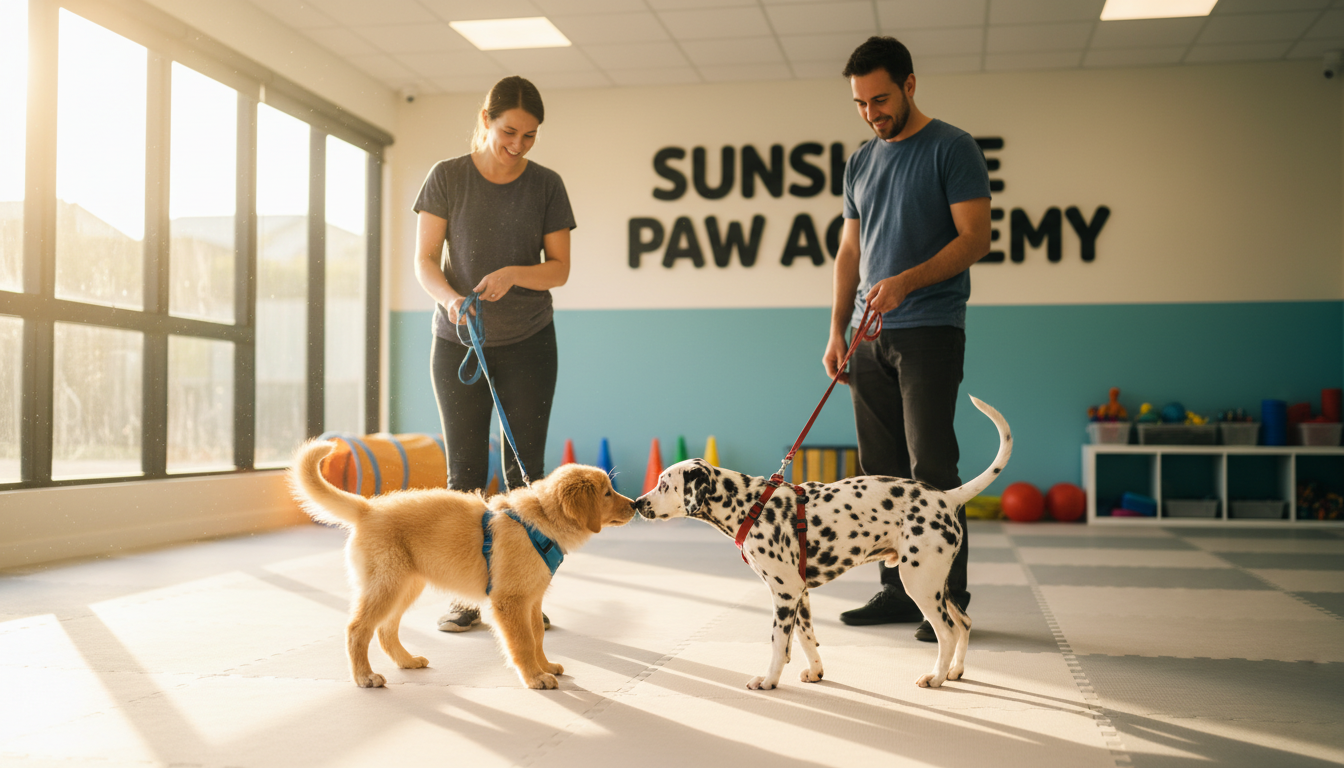
Beyond the household soundtrack, the natural world presents a variety of movements and scents that your puppy must learn to observe calmly. As part of your list of 50 safe socialisation experiences for sunshine coast puppy development, animal encounters should focus on neutral observation rather than physical interaction. Allowing your puppy to stare or lunge at other creatures can lead to over excitement; instead, reward them for looking at the animal and then looking back at you for a treat.
Calm Adult Dogs: Watch a balanced, leashed dog walking past from a distance of ten to twenty metres.
Cats: Observe a cat through a glass window or from a safe distance while it is perched on a fence.
Ibis and Kookaburras: These are common at local parks; practice focus exercises while they forage nearby.
Horses: Drive to the hinterland or areas like Doonan to see horses behind a secure fence.
Livestock: Cattle in the paddocks around Maleny provide a lesson in large, slow moving shapes.
Brush Turkeys: Frequent visitors to coastal gardens, their scratching movements can be highly distracting.
Pelicans: Watch them at the Maroochy River or Noosa River from a safe, elevated boardwalk.
Chickens: Observe through a coop wire to habituate the puppy to clucking and fluttering.
Caged Small Pets: Rabbits or guinea pigs in a pet store provide low intensity visual stimulation.
Kangaroos: Often visible at dawn near the University of the Sunshine Coast or local golf courses.
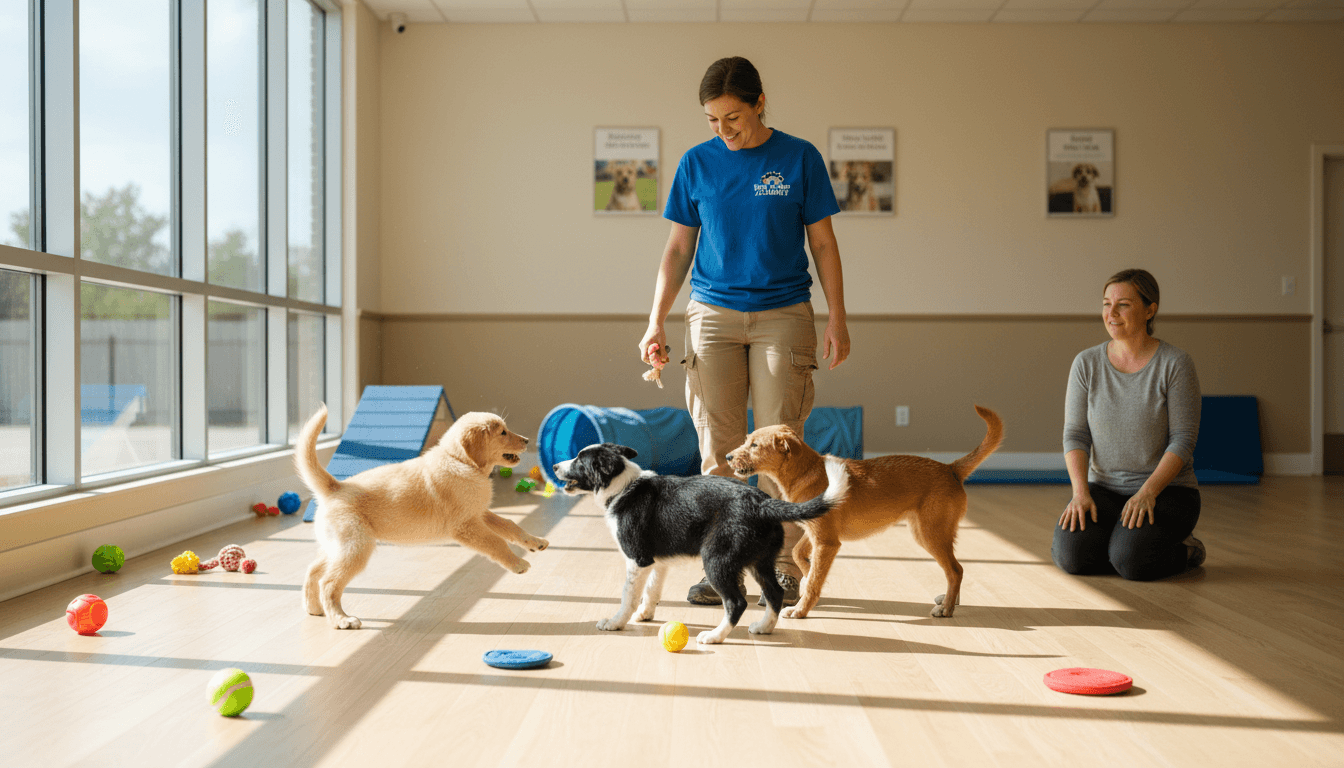
While observation is key for these species, physical interaction with other dogs should be handled with professional care. A structured four-week puppy school program is the safest environment for their first real dog to dog play. Here, we ensure all participants are of similar age, allowing for puppy socialisation safely before vaccinations are fully complete.
The 7 7 7 Rule for New Puppies
The 7-7-7 rule provides a manageable framework to ensure you cover a diverse range of 50 safe socialisation experiences for sunshine coast puppy growth. Originally designed to encourage broad exposure, this method suggests that by the time your pup reaches a specific milestone, they should have encountered seven variations within key categories. For a local resident, this means finding seven distinct surfaces, such as the firm wet sand at Currimundi or the timber jetties near the Maroochy River; seven types of people, including lifesavers in uniform or tourists with rattling suitcases; and seven different locations, ranging from the hinterland views of Maleny to the salty air of the Mooloolaba Wharf.
Integrating this into a busy lifestyle is best achieved through micro-outings. Aim for one new experience daily rather than a marathon weekend. You might observe the Noosa Ferry on Monday and visit a cafe with slippery tiles on Tuesday. This systematic habituation is a primary goal of our structured four-week puppy school program , helping you navigate puppy socialisation safely before vaccinations are fully complete. Keep sessions under ten minutes to prevent overstimulation, ensuring every new encounter remains a positive achievement.